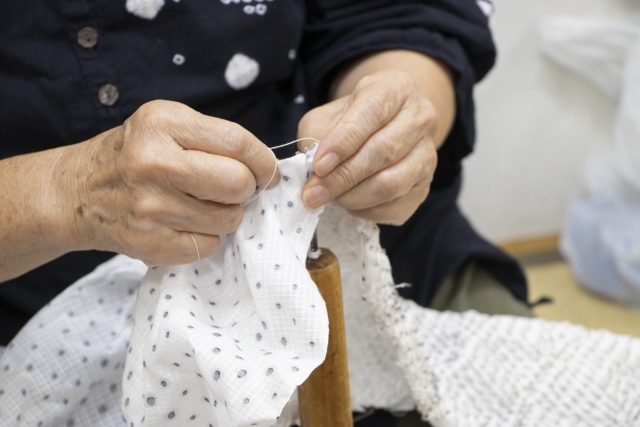
A kimono shokunin (着物職人) is a skilled artisan dedicated to the creation of kimono. The word shokunin refers not only to a craftsperson, but to someone who pursues mastery with discipline, responsibility, and deep respect for tradition. A kimono shokunin is therefore more than a maker of garments — they are guardians of technique, culture, and aesthetic philosophy.
Kimono production is not a single skill. It is a collaboration of highly specialized crafts, each performed by trained artisans.
What Does a Kimono Shokunin Do?
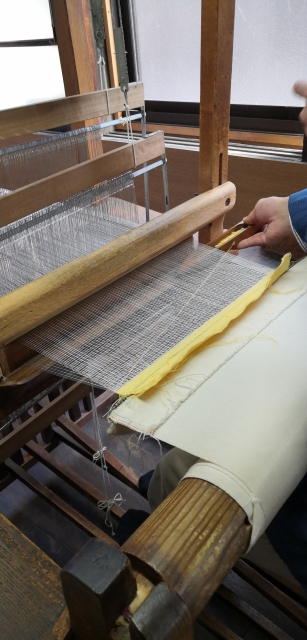
The creation of one kimono often involves multiple specialists, including:
- Textile weavers who produce silk fabric
- Dyers who apply intricate patterns using techniques such as resist dyeing
- Yuzen artists who hand-paint detailed motifs
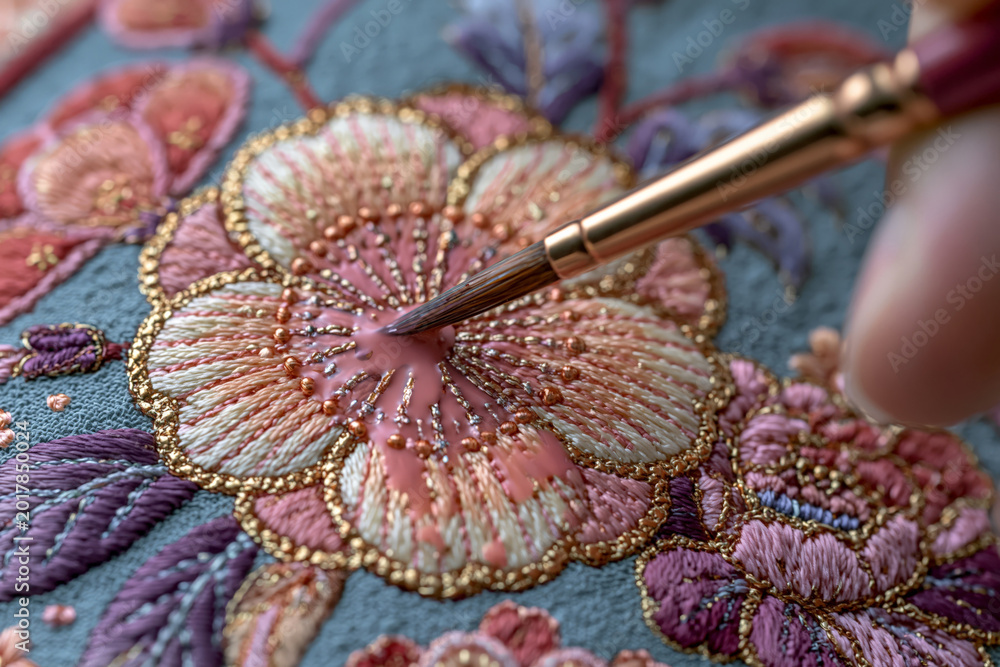
- Embroiderers who add texture and dimension
- Tailors (wasai shokunin) who cut and sew the kimono by hand
Each stage requires precision and years of refinement. Traditional kimono are constructed from straight-line cuts to preserve fabric integrity and allow for adjustment and reuse.
A kimono shokunin must understand:
- Fabric structure and fiber behavior
- Seasonal symbolism and design rules
- Formality levels and cultural etiquette
- Hand-sewing techniques unique to kimono construction
The work demands patience, technical accuracy, and aesthetic sensitivity.
How to Become a Kimono Shokunin
Becoming a kimono shokunin requires long-term dedication. There is no single path, but traditional training often includes the following stages:
1. Formal Education or Vocational School
Many begin by studying textile arts, traditional tailoring (wasai), or dyeing at specialized schools in Japan. These programs teach foundational skills, including:
- Pattern drafting for kimono structure
- Hand-stitching methods
- Fabric preparation
- Traditional dye techniques
2. Apprenticeship (Deshi System)
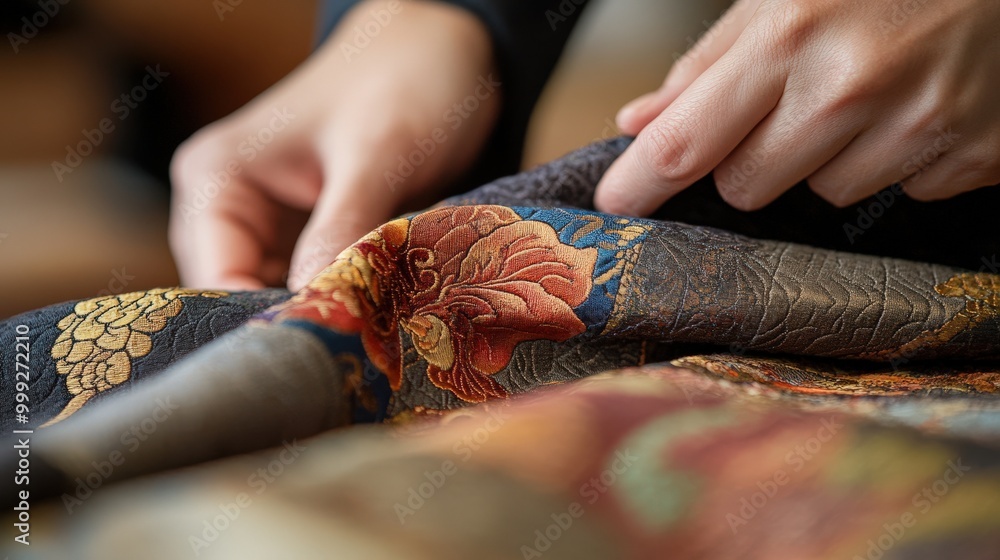

Historically, artisans trained under a master through apprenticeship. This system still exists in many workshops.
An apprentice may:
- Observe and assist for several years
- Practice repetitive technical exercises
- Learn through correction rather than formal instruction
Training can take 5–10 years or more, depending on specialization.
3. Technical Certification
In some fields, artisans may pursue national certifications recognizing advanced skill levels. However, true mastery is often recognized by reputation and peer respect rather than formal titles.
Skills Required
To become a kimono shokunin, one must develop:
- Advanced hand dexterity
- Extreme attention to detail
- Strong visual balance and design sense
- Knowledge of traditional motifs and their meanings
- Physical endurance for long hours of meticulous work
Equally important is a mindset of humility and continuous refinement.
Kimono Craft in the Modern Era
Today, the number of kimono artisans is decreasing due to industrialization and reduced daily kimono wear. However, there is renewed appreciation for:
- Handmade textiles
- Sustainable production
- Cultural preservation
Some modern kimono shokunin adapt traditional skills to contemporary fashion, up-cycling vintage kimono or creating modern silhouettes while maintaining classical techniques.
A kimono shokunin is an artisan devoted to the meticulous creation of kimono through years of disciplined training. The path requires patience, technical mastery, and respect for tradition. Their work embodies craftsmanship, cultural continuity, and an enduring dedication to beauty shaped by hand.
To understand kimono is to recognize the unseen hands behind it — the shokunin whose lifelong pursuit of excellence keeps the art alive.