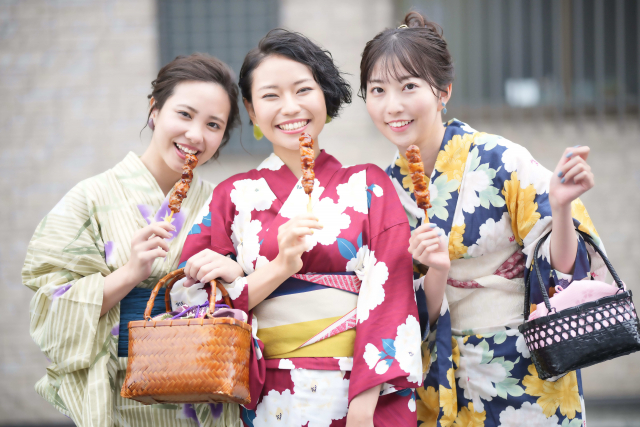
When summer arrives in Japan, the streets come alive with the soft colors and breezy silhouettes of yukata (浴衣). Lighter and more casual than formal kimono, yukata are a seasonal staple worn at festivals, fireworks displays, and relaxed summer gatherings.
But the yukata we see today has a long and interesting history—one that began not as fashion, but as something much more practical.
From Bathing Robe to Summer Wear
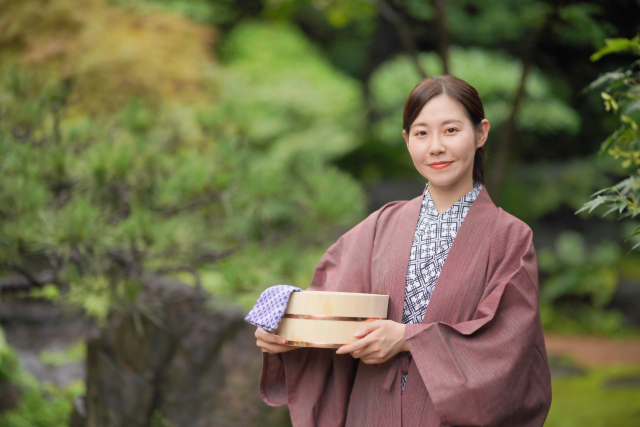
The origin of yukata dates back to a garment called “yukatabira (湯帷子)”, which was worn during bathing in ancient Japan. Over time, as bathing culture evolved, this garment began to be worn after bathing, especially in hot weather.
Eventually, it became known as yukata, meaning “bath clothing.”
This transition reflects how clothing adapts to lifestyle. What started as a functional robe gradually became a symbol of comfort and seasonal style.
When Do People Wear Yukata?
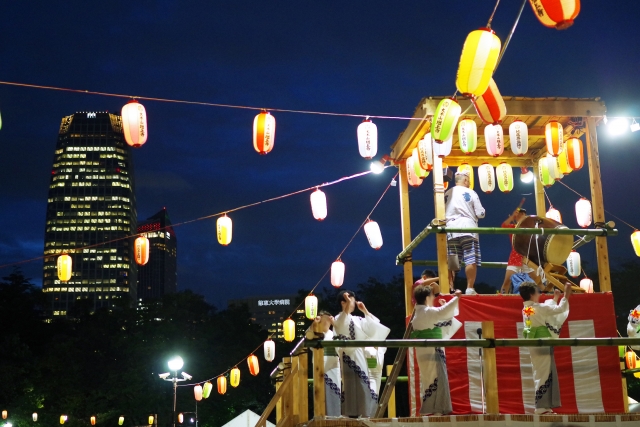
Traditionally, yukata are worn during:
- Fireworks festivals (hanabi taikai)
- Summer festivals (natsumatsuri)
- At home for relaxing, especially after a bath
They are associated with coolness, ease, and summer atmosphere.
In recent years, however, yukata have evolved beyond these settings. Many modern designs are now styled as casual streetwear, making them suitable for everyday outings during warm months.
Modern Yukata: Easier and More Accessible
As lifestyles have changed, so has yukata design.
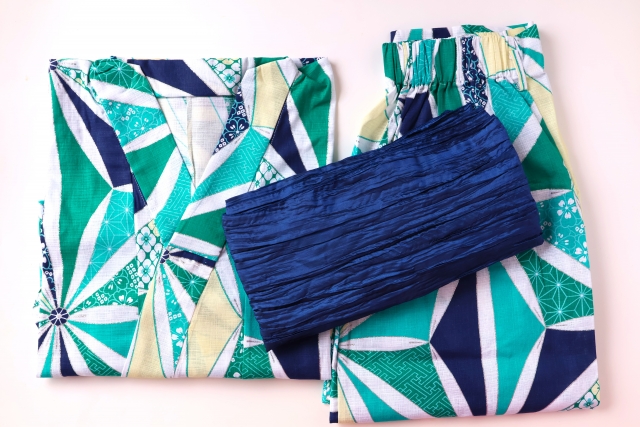
Today, you can find:
- One-piece yukata styles that are easier to wear
- Pre-stitched or simplified garments for beginners
- Lightweight fabrics designed for comfort
These innovations make yukata more accessible to people who may not be familiar with traditional dressing techniques.
Obi Styles: The Art of Tying
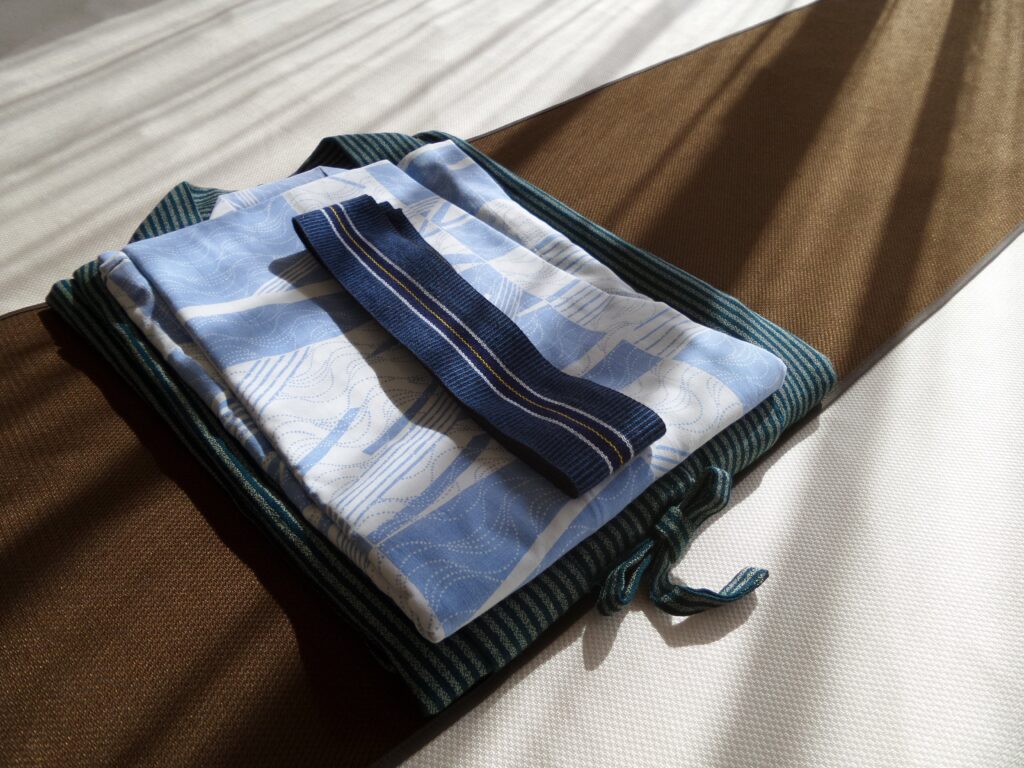
A key part of wearing yukata is the obi (belt). The way it is tied can change the overall impression of the outfit.
For Women
- Bunko Musubi (文庫結び)
The most basic and classic style. It creates a neat, structured bow. - Heko Obi (兵児帯)
Soft and easy to tie. Originally worn by children and men, but now increasingly popular among adult women for its comfort and casual elegance. - Hanhaba Obi (半幅帯)
A half-width obi often styled into decorative knots such as Hanbunko, giving a cute and playful appearance.
For Men
- Kaku Obi (角帯)
A firm, structured belt. - Kai no Kuchi (貝の口)
The standard tying style for men, simple and understated, reflecting a clean and refined aesthetic.
Differences in Men’s and Women’s Yukata
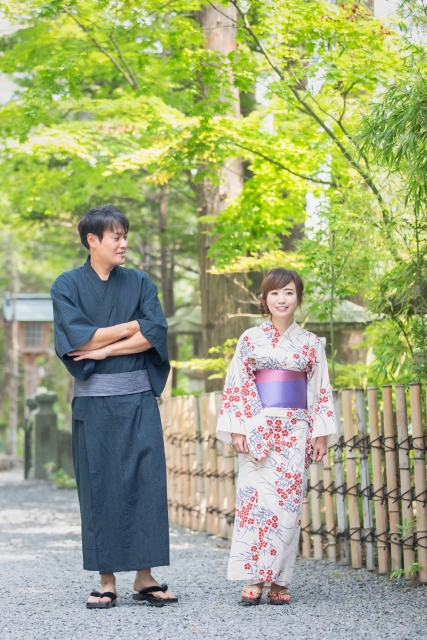
Men’s and women’s yukata differ not only in color and pattern but also in construction.
- Women’s yukata often feature brighter colors, floral designs, and more decorative styling.
- Men’s yukata are typically simpler, with darker tones and minimal patterns.
Structurally, men’s yukata are made without the extra length used for adjusting fit (no ohashori fold), making them more straightforward to wear.
A Garment That Continues to Evolve
Yukata beautifully represents how tradition and modern life can coexist. While rooted in history, it continues to adapt—becoming easier to wear, more versatile, and more accessible.
Whether worn at a summer festival, at home after a bath, or styled as casual fashion, yukata carries a sense of season, comfort, and cultural identity.
Yukata is more than just a summer outfit. It is a reflection of how Japanese culture values both function and beauty, adapting tradition to fit modern life.
Light, breathable, and expressive, yukata invites us to slow down and enjoy the simple pleasures of summer — a warm evening, a festival, or a quiet moment at home.
Natsumatsuri in Japanese Canadian Cultural Centre
Let’s go there to see what the traditional summer festival from Japan, wearing Yukata.
Date: July 11th, 5pm-9pm
Place: Japanese Canadian Cultural Centre (JCCC)