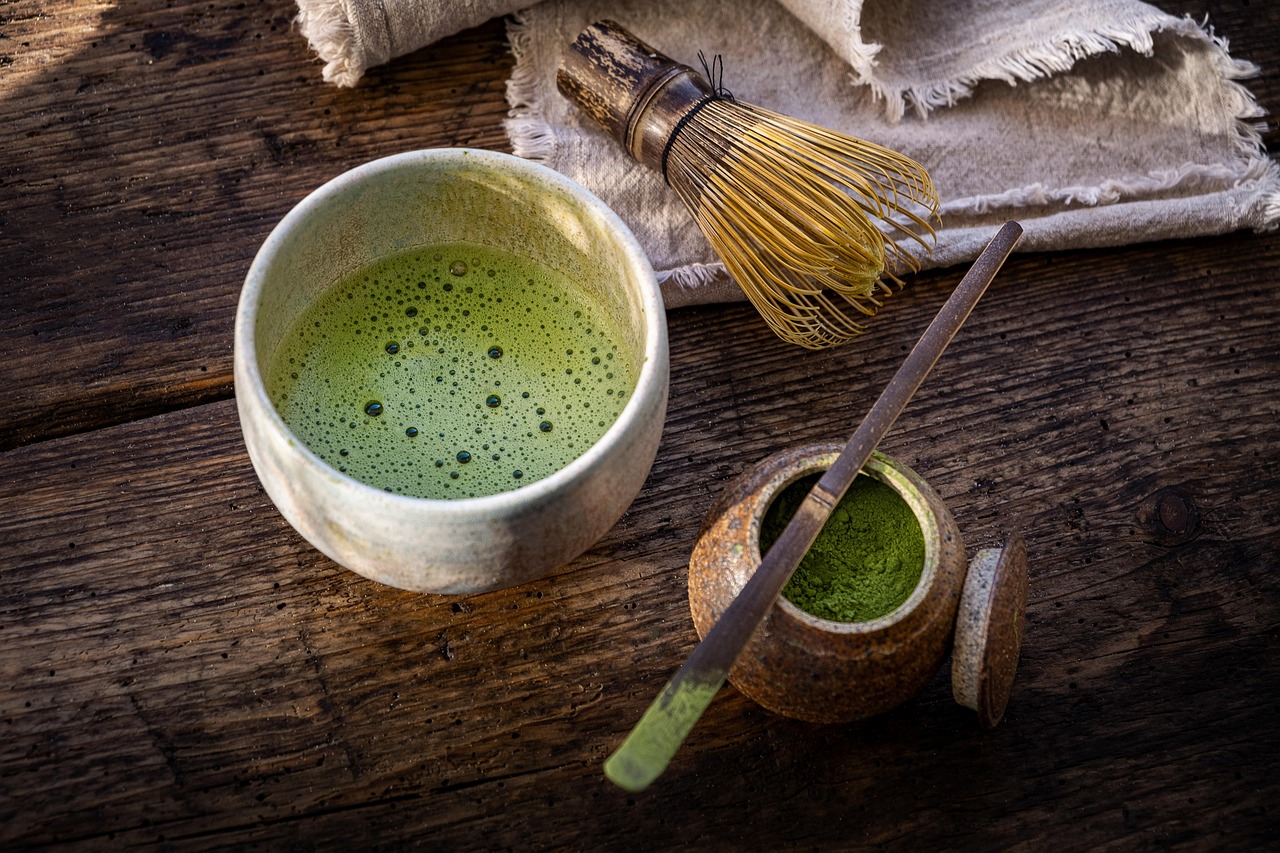
Japanese tea ceremony is much more than the act of preparing and drinking tea. Known as Chanoyu (茶の湯) or Chado (茶道), it is a traditional Japanese art that brings together hospitality, mindfulness, aesthetics, and respect for others.
Through carefully performed movements and thoughtful attention to every detail, tea ceremony creates a moment to slow down, appreciate the present, and connect with others.
But how did this beautiful tradition begin, and how did it become such an important part of Japanese culture?
Let’s explore the history and philosophy of Japanese tea ceremony.
1. The Origins of Tea in Japan
Tea was introduced to Japan from China, where tea drinking had already developed a long history.
Japanese Buddhist monks are believed to have brought tea seeds and tea-drinking practices back from China during the Heian period (794–1185). At that time, tea was primarily enjoyed among Buddhist monks and the aristocracy. It was valued not only as a beverage but also for its stimulating effects, which helped monks remain alert during meditation.
During the Kamakura period (1185–1333), the Buddhist monk Eisai helped popularize tea in Japan. After studying Zen Buddhism in China, he returned to Japan and promoted both Zen teachings and the benefits of tea.
Tea gradually became more widely appreciated among the samurai class and other members of society.
By the Muromachi period (1336–1573), tea gatherings had become popular among the military elite. Some gatherings featured valuable Chinese tea utensils, elaborate decorations, and competitions in which participants tried to identify different kinds of tea.
However, another approach to tea was also emerging—one that placed greater emphasis on simplicity, natural beauty, and the relationship between host and guest.
This approach would eventually help shape the Japanese tea ceremony we recognize today.
2. Sen no Rikyu and the Development of Tea Ceremony
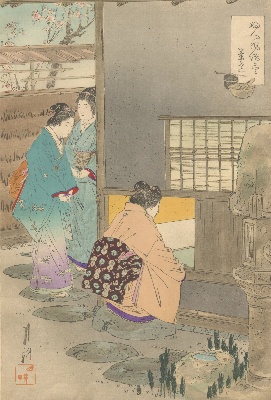
One of the most influential figures in the history of Japanese tea ceremony was Sen no Rikyu (千利休, 1522–1591).
During the 16th century, Rikyu refined the practice of tea under the patronage of powerful political leaders, including Oda Nobunaga and Toyotomi Hideyoshi.
Rather than focusing on expensive imported objects and elaborate displays, Rikyu emphasized simplicity, humility, and the beauty of ordinary materials.
He helped establish the aesthetic of wabi-cha (侘び茶), a style of tea that appreciates understated beauty, natural textures, and imperfection.
A small, simple tea room could become a place of deep cultural significance. A handmade tea bowl did not need to be perfectly symmetrical to be beautiful. The experience of sharing tea could be more important than the monetary value of the objects used.
Rikyu’s approach also emphasized the relationship between the host and the guests. Preparing tea was not merely a technical process; it was an expression of hospitality and consideration.
His teachings continue to influence Japanese tea ceremony today.
Although Rikyu died in 1591 under the political authority of Toyotomi Hideyoshi, his legacy lived on through his descendants and the tea traditions that developed from his teachings.
3. The Three Sen Schools of Tea
After Sen no Rikyu’s death, his family continued to preserve and develop his tea traditions.
Over time, three major schools emerged from the Sen family lineage:
- Omotesenke (表千家)
- Urasenke (裏千家)
- Mushakojisenke (武者小路千家)
These schools are collectively known as the San-Senke (三千家), meaning the three Sen houses.
Omotesenke and Urasenke are particularly well known both in Japan and internationally.
Although each school has developed its own procedures, techniques, and aesthetic preferences, all three share a historical connection to Sen no Rikyu and the principles of Japanese tea ceremony.
Their continued practice has helped preserve traditional knowledge, including tea preparation, etiquette, the appreciation of tea utensils, and the design of tea rooms.
Today, students can learn these traditions through regular lessons, formal gatherings, and cultural workshops.
4. The Four Principles of Japanese Tea Ceremony
The spirit of tea ceremony is often expressed through four principles associated with the Sen traditions:
Wa (和) — Harmony
Harmony exists between the host and guests, the tea utensils and surroundings, and people and nature. Every element of the gathering should work together naturally.
Kei (敬) — Respect
Respect is expressed through thoughtful actions, careful handling of utensils, and consideration for everyone participating in the gathering.
Sei (清) — Purity
Purity involves cleanliness in both the physical environment and one’s state of mind. Cleaning and preparing the utensils are meaningful parts of the tea ceremony.
Jaku (寂) — Tranquility
Through continued practice, one develops a sense of inner calm. Even in a busy world, the tea room offers an opportunity to pause and appreciate a quiet moment.
These four principles are not simply rules to memorize. They are values that practitioners seek to incorporate into their movements, interactions, and everyday lives.
5. Ichigo Ichie: Treasuring Every Encounter
Another important concept associated with Japanese tea culture is ichigo ichie (一期一会).
The expression is often translated as “one time, one meeting.” It reminds us that every encounter is unique and will never happen in exactly the same way again.
Even if the same people gather in the same tea room and use the same utensils, the moment will be different. The season, the atmosphere, the conversation, and each person’s feelings will have changed.
For this reason, the host prepares each gathering with care, while the guests appreciate the experience as something special.
This philosophy extends beyond tea ceremony. It encourages us to value the people we meet and to pay attention to the moments we share.
In a world where daily life can feel rushed, the idea of ichigo ichie offers a gentle reminder to be present.
6. Japanese Tea Ceremony Today
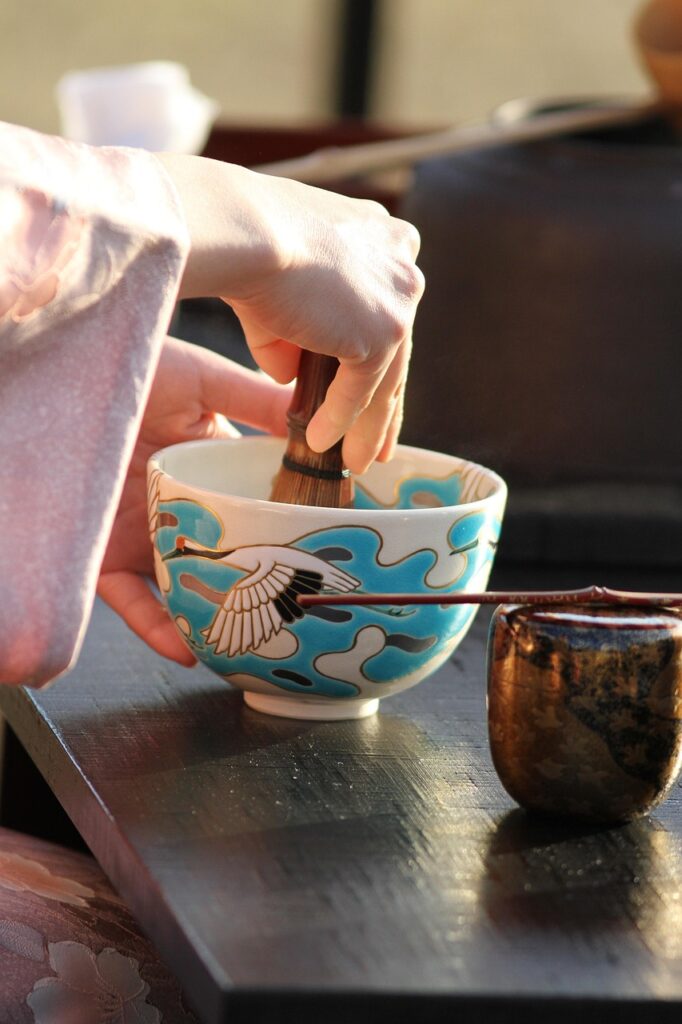
Today, Japanese tea ceremony continues to be practiced in Japan and around the world.
Some people study it for many years, learning precise movements, traditional etiquette, and the history of tea utensils. Others experience it for the first time at a cultural event, a tea house, or a workshop.
Although the setting and level of formality may vary, the essential ideas of hospitality, respect, and mindfulness remain important.
Tea ceremony is also closely connected to other Japanese arts, including calligraphy, flower arrangement, pottery, lacquerware, and traditional architecture. Together, these art forms express an appreciation for craftsmanship, seasonal change, and the beauty of simplicity.
For those encountering Japanese culture for the first time, tea ceremony offers a meaningful way to understand how these different traditions come together.
It also demonstrates that culture is not only something we see in museums or read about in books. It is something people continue to practice, learn, and pass on to the next generation.
7. My Personal Connection to Chado
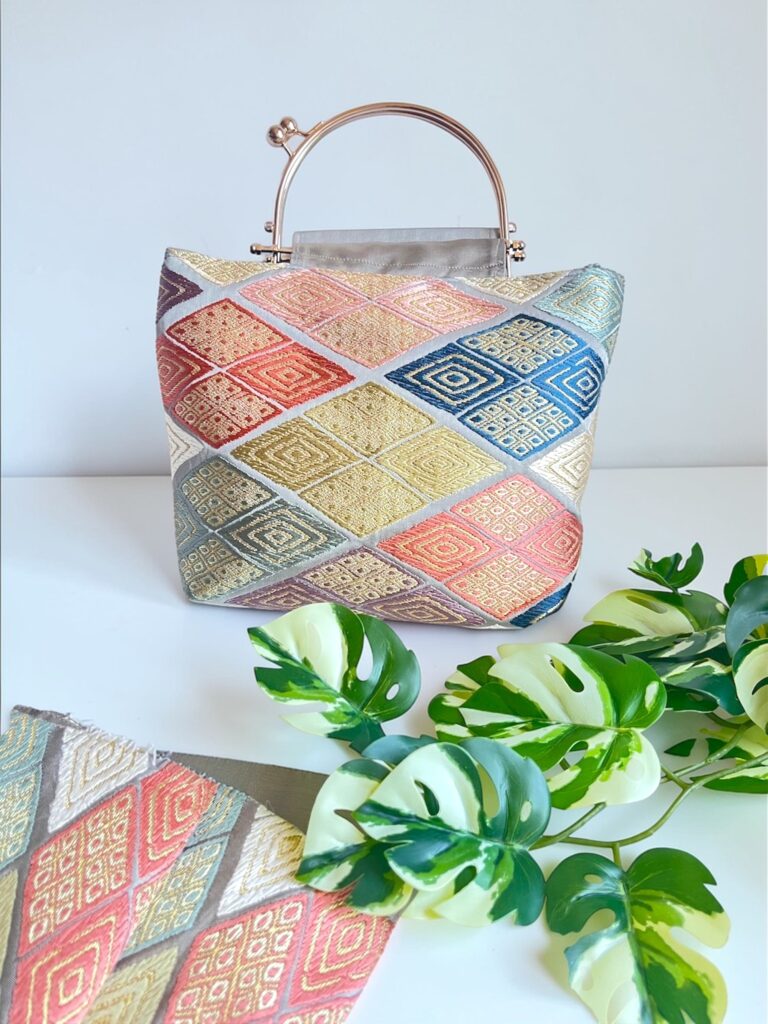
My grandmother was also a tea ceremony master. She hosted tea gatherings in every season, welcoming guests and sharing the beauty of Chado throughout the year. Growing up, I was surrounded by tea culture and the traditions that came with it.
Those childhood experiences have stayed with me and continue to influence who I am today. After moving to Canada, I wanted to share a part of Japanese culture with people here. That desire eventually led me to start Tokita Kobo, where I create handmade accessories using traditional kimono fabrics.
In a way, my business grew from the same values I experienced through tea ceremony: appreciating traditional craftsmanship, preserving cultural heritage, and sharing something meaningful with others.
Final Thoughts
Japanese tea ceremony has evolved over many centuries, from the introduction of tea to Japan to the refined traditions shaped by Sen no Rikyu and his successors.
Yet its central message remains remarkably relevant today: appreciate the present moment, respect others, and find beauty in simple things.
You do not need to become a tea master to appreciate this tradition. Learning about its history, experiencing a bowl of matcha, or taking a moment to notice the care behind a traditional practice can be a meaningful beginning.
For me, Japanese traditions are valuable not only because of their long history, but also because of the wisdom and skills they carry from one generation to the next.
By learning about and sharing these traditions, we can help keep them alive and meaningful for the future.
Would you like to experience of tea ceremony in Toronto? You will have a good opportunity on November 1st!
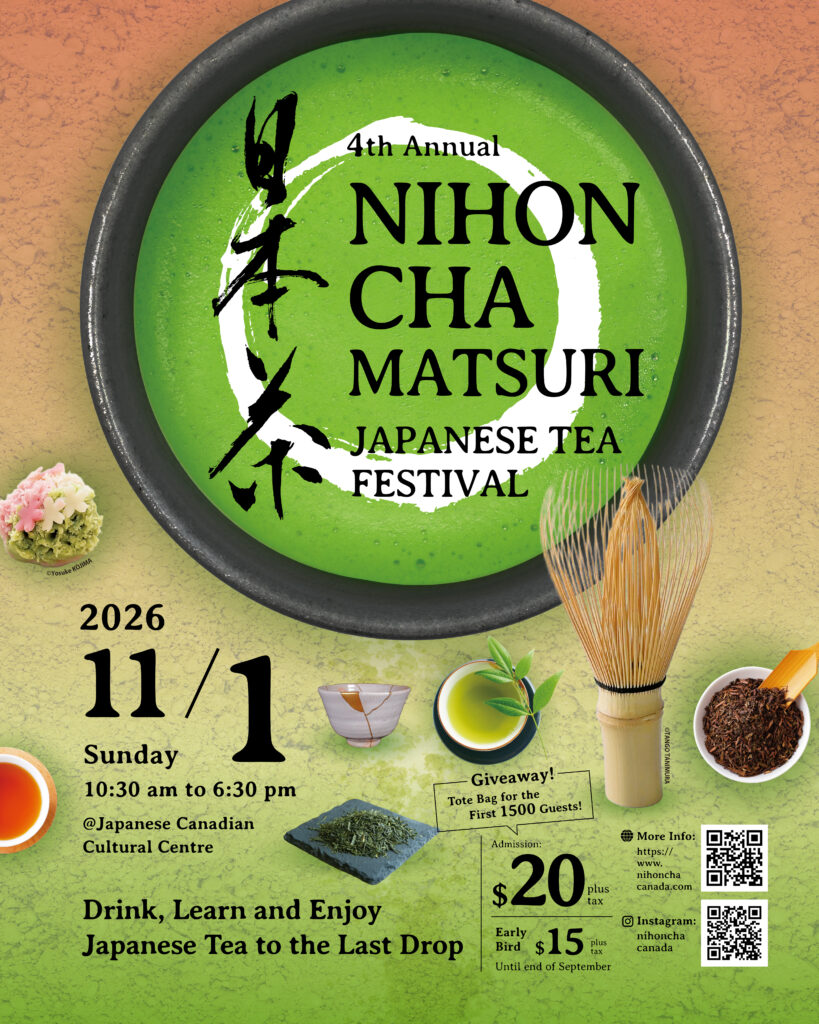
We have Early bird thickets until October 12th! Don’t miss out!