When people think of Japan’s most sacred Shinto shrine, the name that comes to mind is Ise Jingu (Ise Grand Shrine). Located in Mie Prefecture, Ise Jingu has been a spiritual center of Japan for over 2,000 years and is dedicated to the deities of Shinto, Japan’s indigenous faith.
During my recent visit to Japan, I had the opportunity to make a pilgrimage to this special place. Following the traditional route, I first visited Futami Okitama Shrine, then Geku (Outer Shrine), and finally Naiku (Inner Shrine). This sequence is believed to be the proper way to approach Ise Jingu and allows visitors to gradually prepare their minds and hearts for the experience.
First Stop: Futami Okitama Shrine
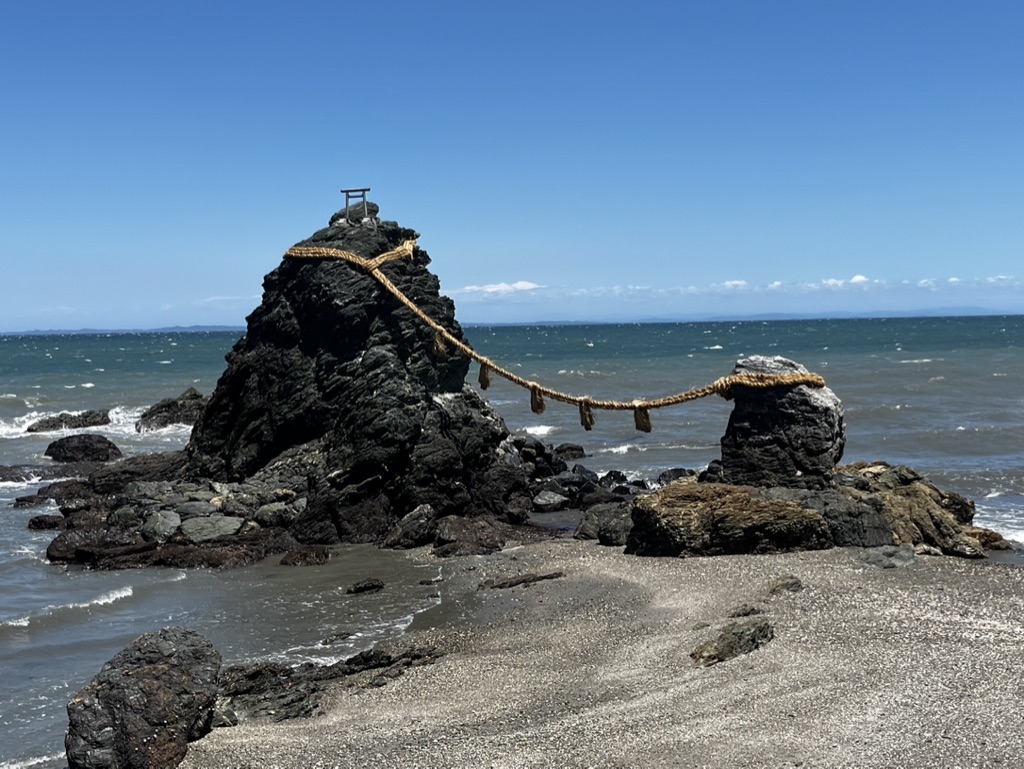
The journey traditionally begins at Futami Okitama Shrine (二見興玉神社), located along the coast of Ise Bay.
This shrine is known as a place of purification. In ancient times, pilgrims would cleanse themselves in the sea before proceeding to Ise Jingu. Today, visitors symbolically purify their minds by visiting the shrine first.
One of the most iconic sights here is the Meoto Iwa, or “Wedded Rocks.” The two rocks are connected by a sacred straw rope called a shimenawa and represent the union of husband and wife. They symbolize harmony, good relationships, and marital happiness.
As I stood overlooking the ocean and the famous rocks, I could feel a sense of calmness wash over me. The sound of the waves and the fresh sea breeze created a peaceful atmosphere that felt far removed from everyday life.
Second Stop: Geku (Outer Shrine)
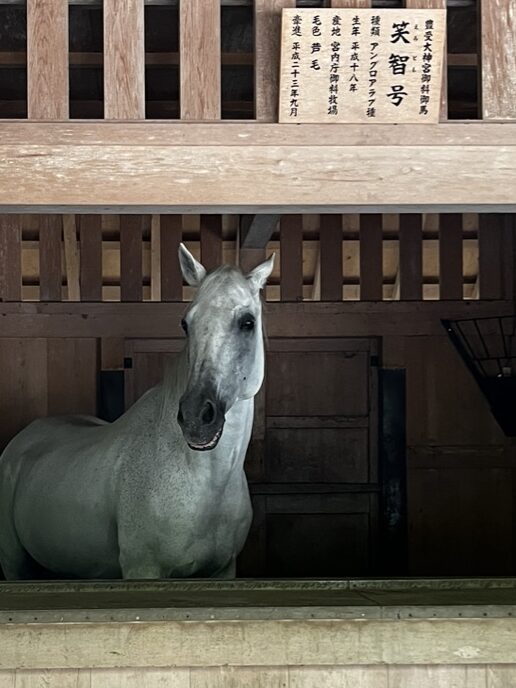
After visiting Futami Okitama Shrine, the next destination is Geku (外宮), the Outer Shrine of Ise Jingu.
Geku enshrines Toyouke Omikami, the deity of food, agriculture, industry, and daily necessities. It is said that Toyouke Omikami provides for the needs of Amaterasu Omikami, the sun goddess enshrined at Naiku.
The approach to Geku is lined with towering cedar trees that create a quiet and sacred environment. Walking along the gravel paths, I noticed how naturally the shrine buildings blend into the surrounding forest.
I saw a mother and her son find a coin purse that seemed to contain a lot of coins. I wondered whether they would take it or leave it. Possibly because it was a sacred place, they placed the coin purse aside on the path instead of taking it. I thought this was one of the most admirable behaviors in our culture. Hopefully, the coin purse was returned to its owner.
Unlike many famous tourist attractions, the beauty of Ise Jingu is not found in grand architecture or elaborate decorations. Instead, its beauty lies in simplicity, nature, and spiritual tranquility.
As I offered my prayers at the main sanctuary, I reflected on gratitude for the food, resources, and support that sustain our daily lives. I was told not to ask for any favour.
Final Destination: Naiku (Inner Shrine)
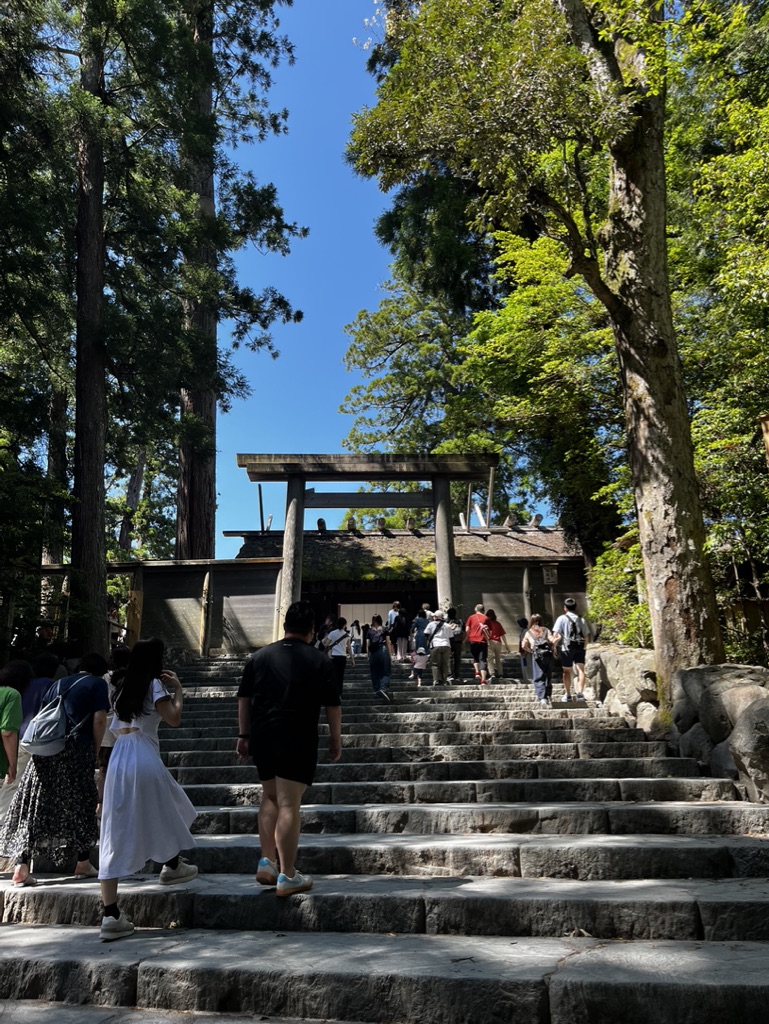
The final and most important stop is Naiku (内宮), the Inner Shrine.
Naiku is dedicated to Amaterasu Omikami, the sun goddess and the ancestral deity of the Imperial Family. It is considered the heart of Ise Jingu and one of the most sacred places in Japan.
Visitors cross the beautiful Uji Bridge before entering the shrine grounds. The bridge symbolizes the transition from the ordinary world into a sacred realm.
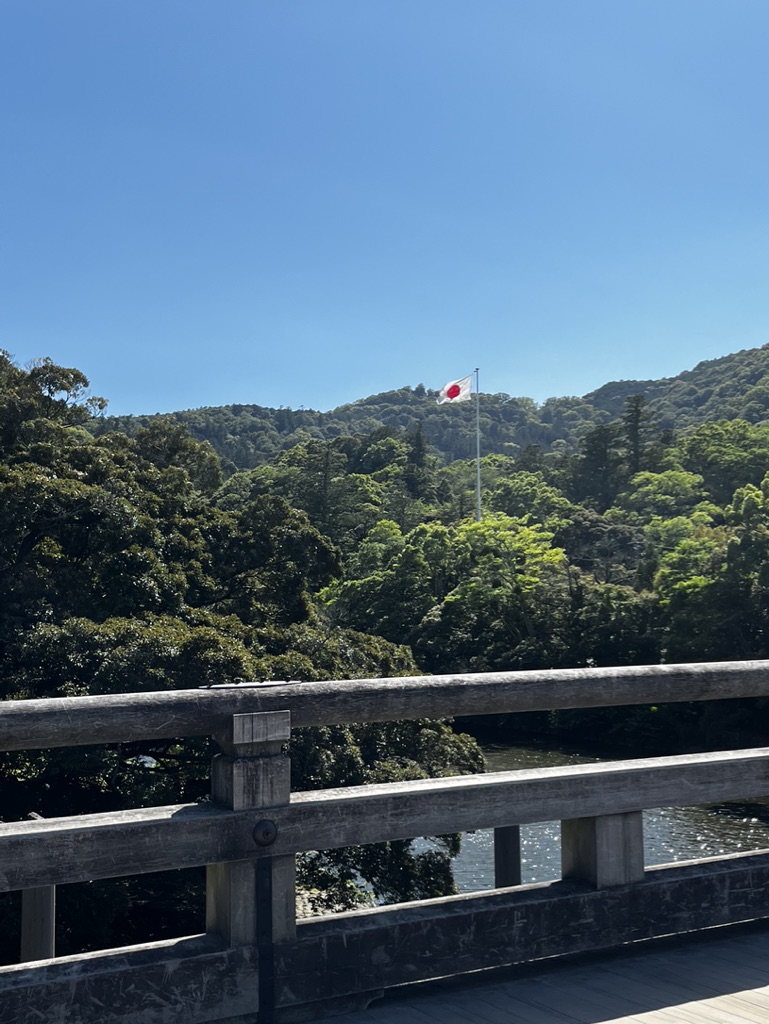
As I walked through the vast forest surrounding Naiku, I was struck by the enormous cedar trees that have stood there for centuries. The atmosphere felt both majestic and peaceful.
The shrine buildings are constructed using traditional Japanese architectural techniques and are rebuilt every twenty years through a ritual known as Shikinen Sengu. This practice preserves ancient craftsmanship while symbolizing renewal and continuity.
Although photography is prohibited near the main sanctuary, the memory of standing before one of Japan’s most sacred places remains vivid. The quiet respect shown by visitors added to the deeply spiritual atmosphere.
A Journey of Gratitude and Reflection
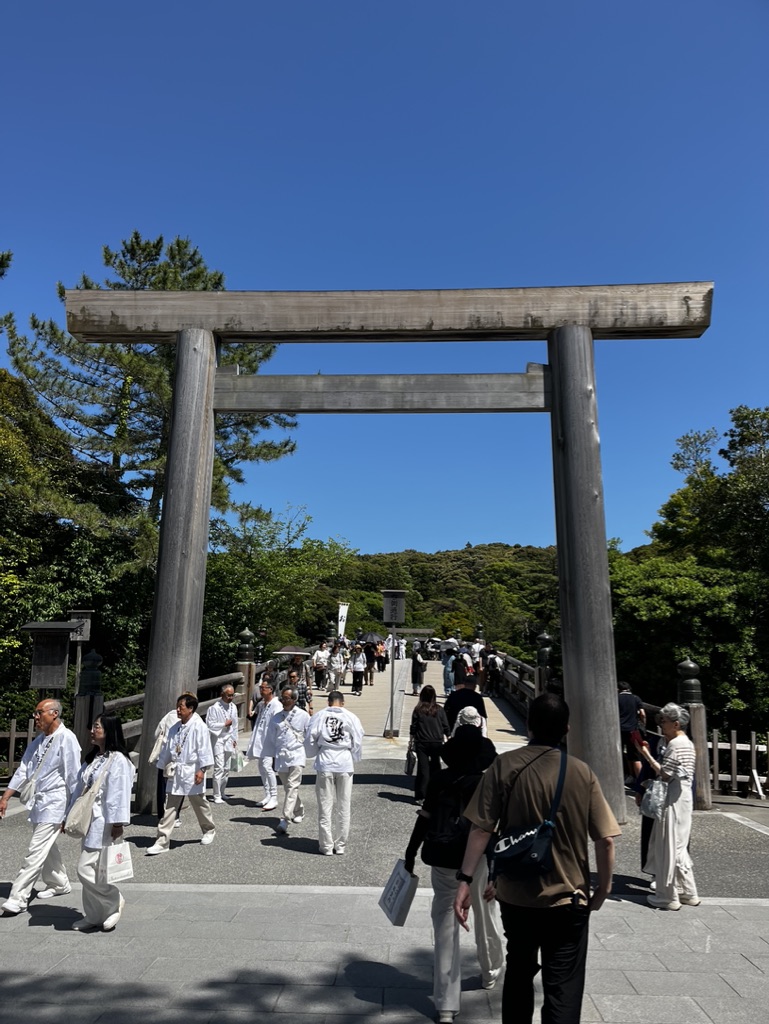
Following the traditional pilgrimage route—from Futami Okitama Shrine to Geku and finally Naiku—made the experience feel meaningful and complete.
Each location serves a different purpose:
- Futami Okitama Shrine: Purification
- Geku: Gratitude for daily sustenance
- Naiku: Reverence for the divine and nature
Rather than simply visiting famous landmarks, this journey encouraged me to slow down, appreciate the natural world, and reflect on the values that continue to shape Japanese culture today.
For anyone interested in Japanese spirituality, history, or culture, a visit to Ise Jingu is more than sightseeing—it is an opportunity to experience a tradition that has connected people with nature and the divine for centuries.
If you ever have the chance to visit Mie Prefecture, I highly recommend following this traditional route. The journey itself is just as meaningful as the destination.