During my recent trip to Japan, I had the opportunity to visit one of Nagoya’s most famous landmarks: Nagoya Castle.
Although I have visited many historical sites throughout Japan, Nagoya Castle left a particularly strong impression on me. Its grand architecture, rich history, and beautiful grounds offered a fascinating glimpse into Japan’s samurai era.
The History of Nagoya Castle
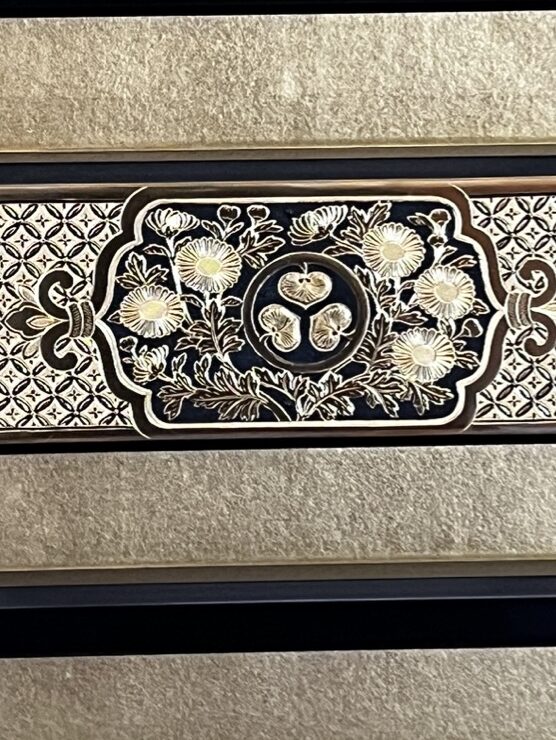
Nagoya Castle was built in the early 17th century by Tokugawa Ieyasu, one of the most influential figures in Japanese history. The castle served as the residence of the Owari branch of the Tokugawa family and played an important role in protecting central Japan during the Edo period.
Like many historic structures in Japan, the original castle suffered significant damage during World War II. The main keep was later reconstructed, and restoration efforts continue today to preserve its historical significance for future generations.
The Golden Shachihoko
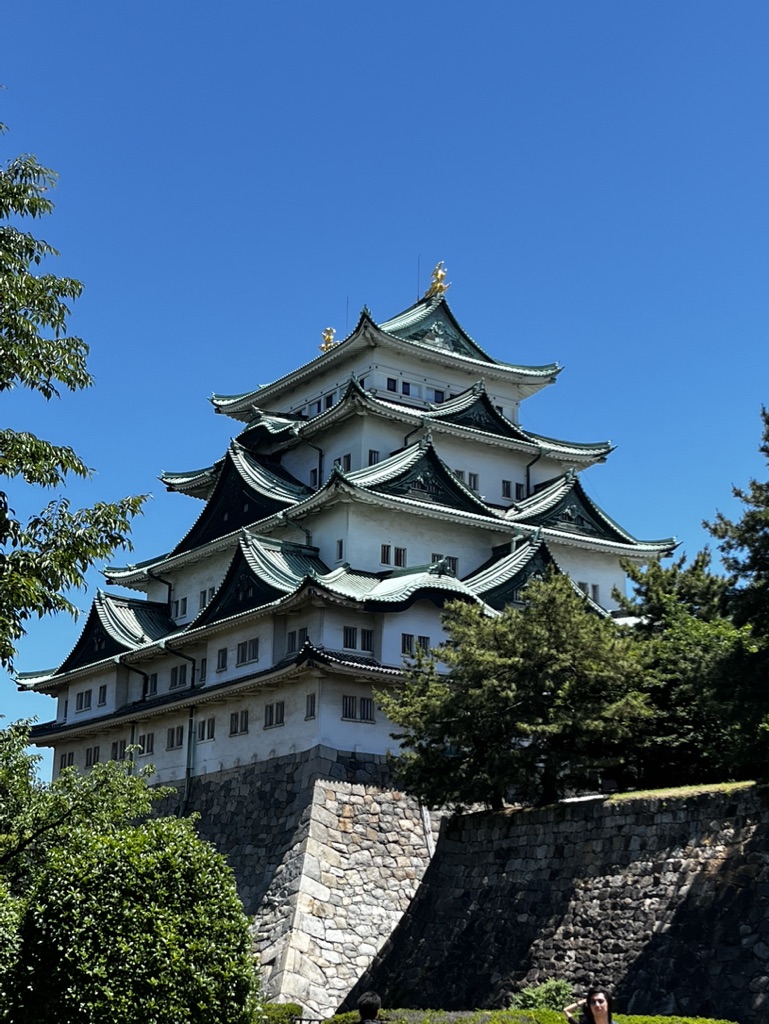
One of the most recognizable features of Nagoya Castle is the pair of golden shachihoko that sit atop the castle roof.
A shachihoko is a mythical creature with the head of a tiger and the body of a fish. According to Japanese folklore, it was believed to protect buildings from fire.
The dazzling golden ornaments have become a symbol of Nagoya itself. Seeing them shining against the blue sky was one of the highlights of my visit.
A Beautiful Blend of Nature and Architecture
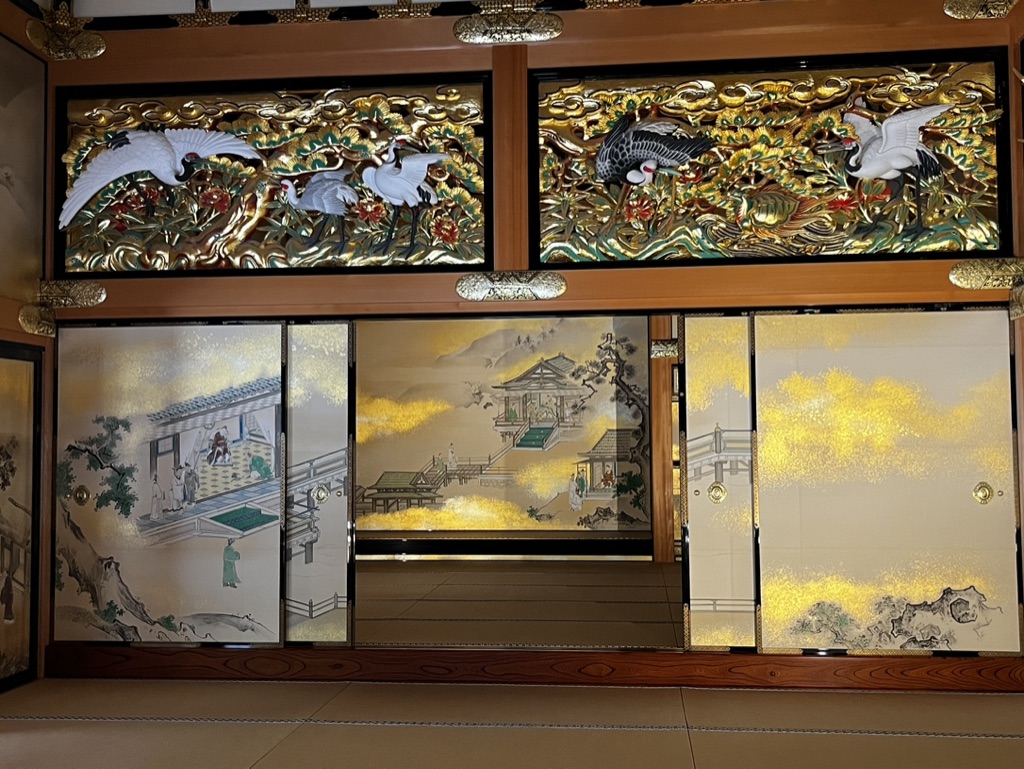
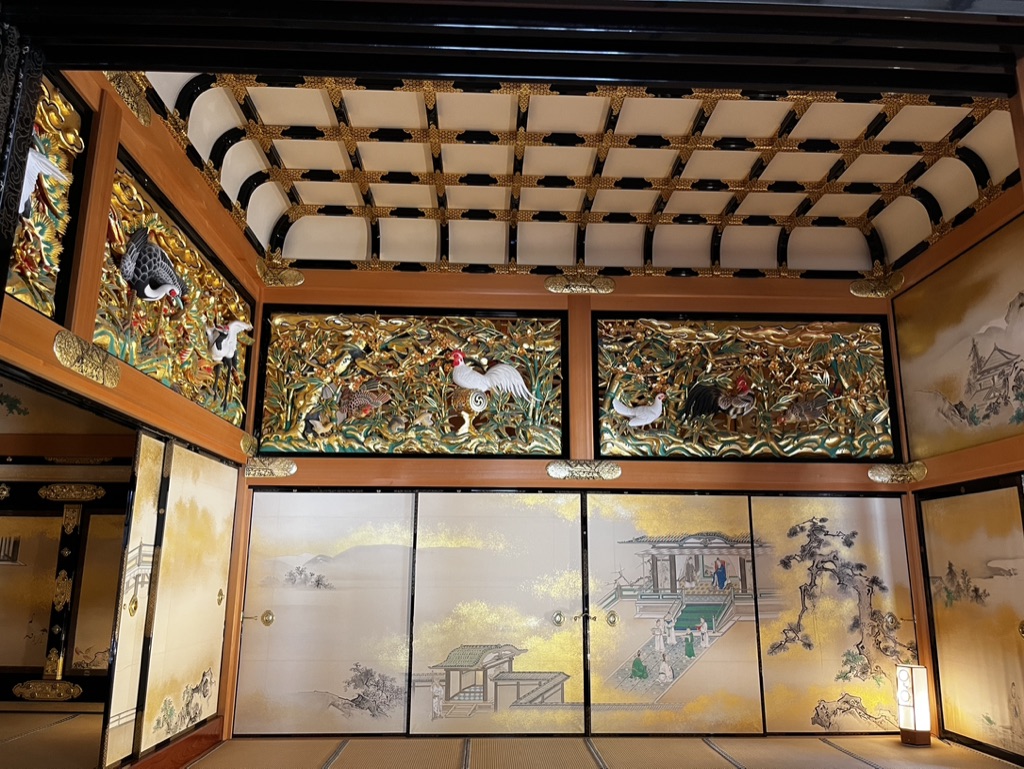
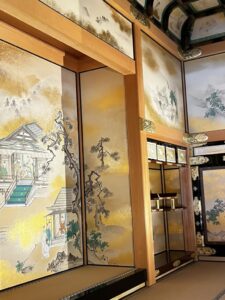
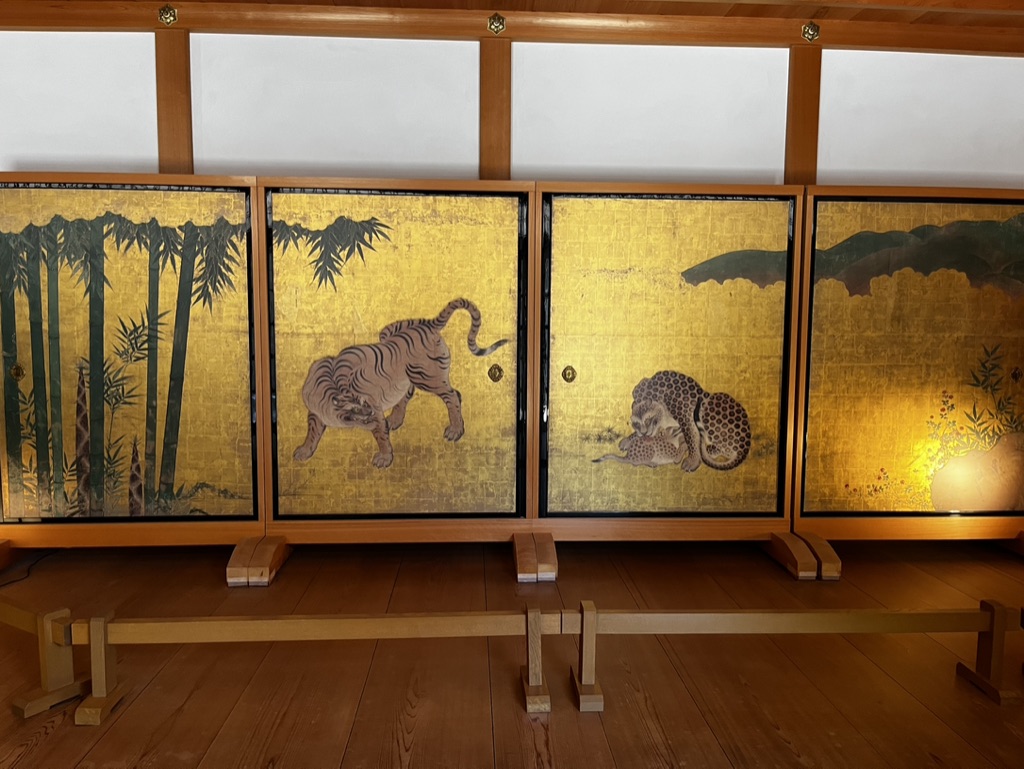
What impressed me most was the harmony between the castle and its surrounding landscape.
The castle grounds are spacious and filled with seasonal beauty. Depending on the time of year, visitors can enjoy cherry blossoms, fresh greenery, vibrant autumn leaves, or peaceful winter scenery.
Walking through the grounds felt like stepping back in time. Despite being located in a modern city, the castle preserves a sense of tranquility that allows visitors to imagine what life might have been like centuries ago.
Why You Should Visit
If you ever have the opportunity to visit Nagoya, I highly recommend adding Nagoya Castle to your itinerary.
It offers much more than a beautiful photo opportunity. It is a place where history, architecture, mythology, and nature come together to tell the story of Japan’s past.
For me, the visit was a wonderful reminder that even centuries-old traditions continue to inspire creativity today.
Have you ever visited a Japanese castle? I would love to hear which one was your favorite.