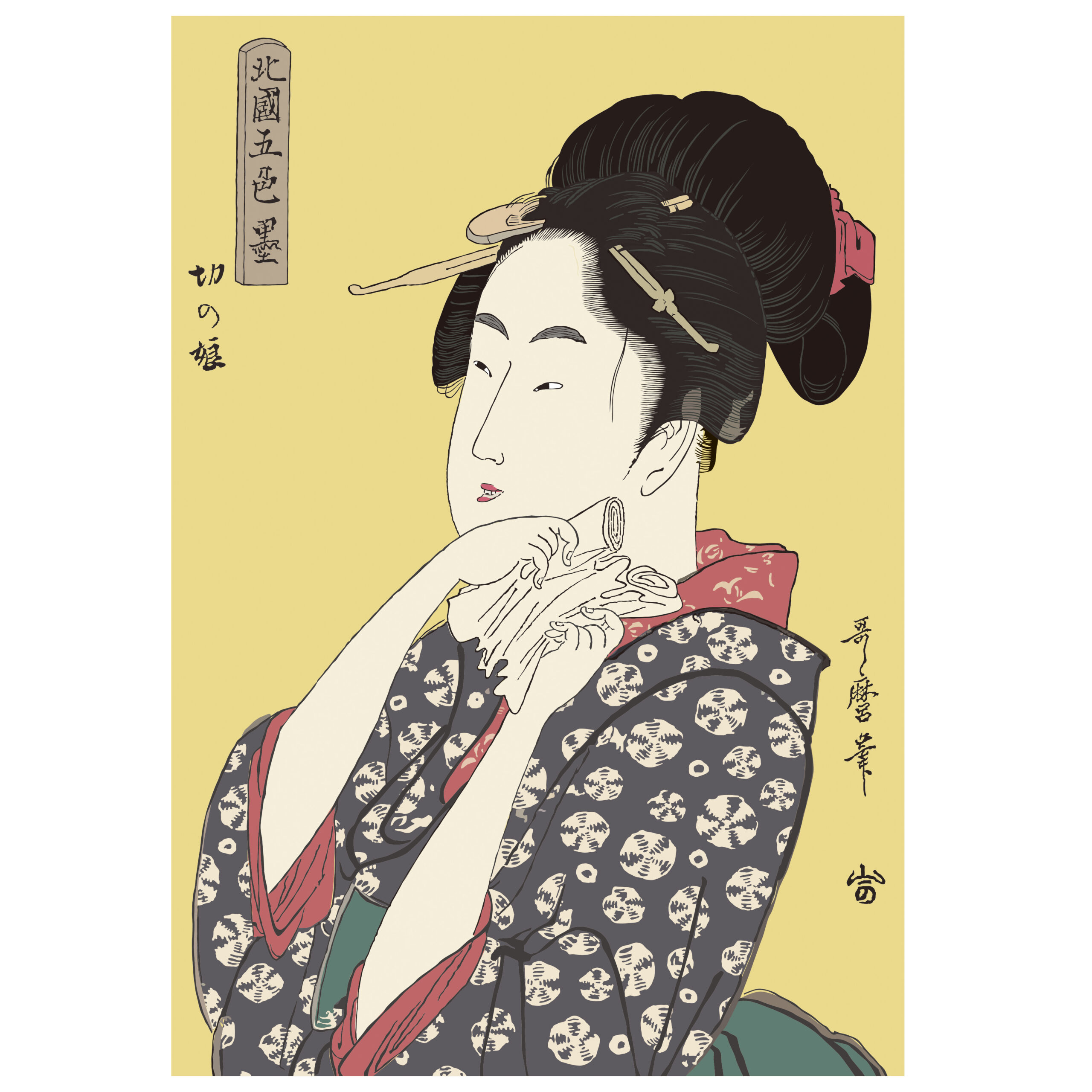
During Japan’s Edo era (1603–1868), clothing was valuable, labor-intensive, and deeply tied to social identity. Kimono were not disposable garments — they were carefully maintained possessions meant to last for years, sometimes generations. Managing kimono required practical knowledge, seasonal awareness, and a cultural mindset that emphasized care over consumption.
This system of clothing stewardship reveals much about Edo-period life: resourcefulness, craftsmanship, and respect for materials.
Clothing as a Long-Term Investment
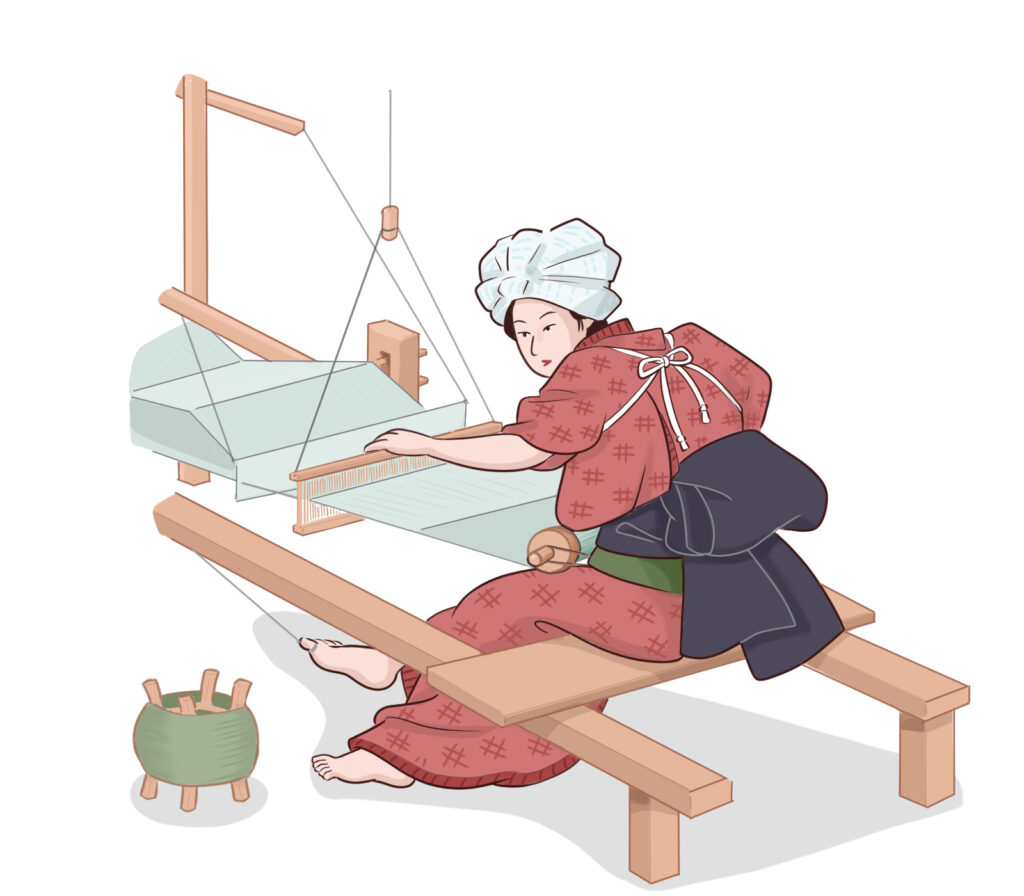
In the Edo era, textiles were expensive because they were entirely handmade — spun, dyed, woven, and sewn by skilled artisans. A kimono represented time, labor, and social status. For that reason, families treated garments as long-term assets.
Kimono were:
- Repaired instead of replaced
- Altered to fit changing body sizes
- Passed down within families
- Repurposed when worn
This approach minimized waste and extended the life of every piece of fabric.
Seasonal Rotation and Storage
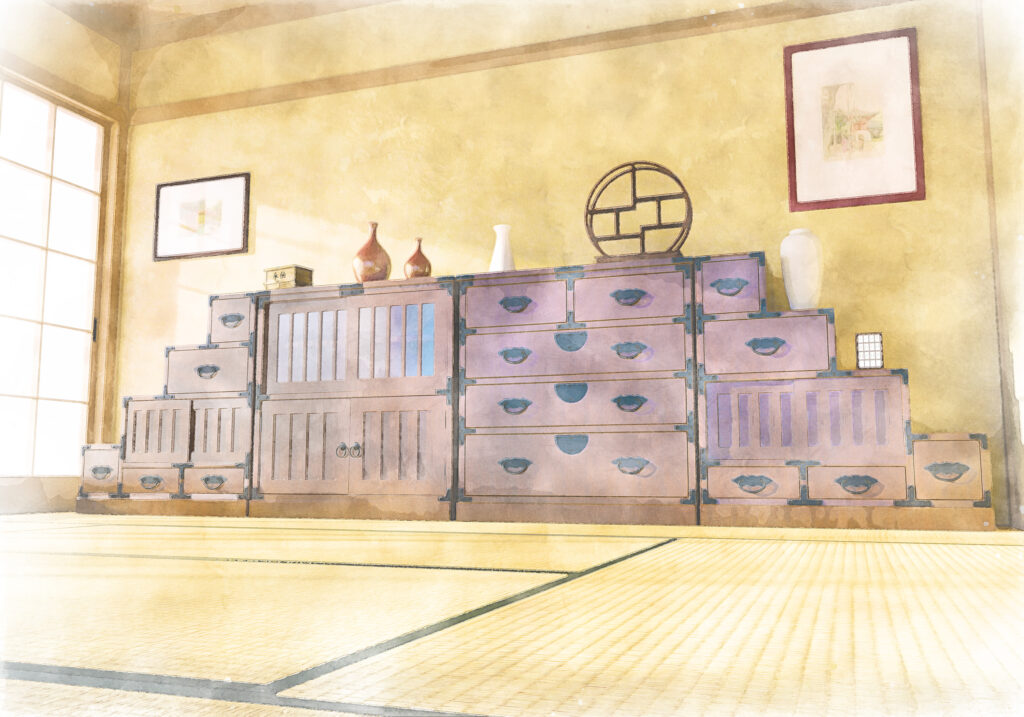
Japan’s strong sense of seasonality influenced clothing management. Kimono fabrics varied by temperature:
- Lightweight hemp or cotton for summer
- Silk or layered garments for colder months
At the change of seasons, families performed koromogae — the practice of rotating wardrobes. Winter garments were cleaned, folded, and stored, while summer kimono were brought out.
Proper storage was essential:
- Garments were folded along sewn seams to prevent stress on fabric
- Stored flat in wooden chests to maintain shape
- Wrapped in protective paper or cloth
- Aired periodically to prevent moisture damage
Humidity control mattered greatly in Japan’s climate, and airing garments on dry days helped prevent mold and insects.
Washing and Maintenance
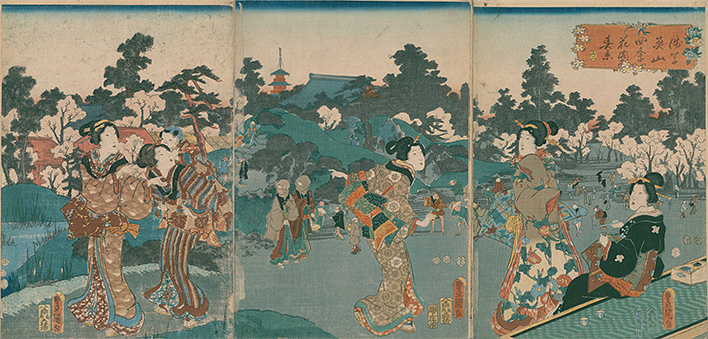
Kimono were constructed to allow for careful cleaning. When washing was necessary, garments were often taken apart at the seams, washed as flat fabric panels, and then resewn. This process preserved both shape and textile quality.
Routine care included:
- Brushing dust away after wearing
- Hanging briefly to air out perspiration
- Spot cleaning stains quickly
These habits helped garments remain wearable for many years.
Repair, Recycling, and Reinvention
Fabric was never casually discarded. When a kimono became worn:
- Torn sections were patched
- Good fabric was reused for children’s clothing
- Remaining cloth became household textiles
Old kimono might be transformed into:
- Cleaning cloths
- Bedding layers
- Work garments
- Decorative household items
This culture of reuse reflects an early sustainability mindset: materials retained value at every stage.
Social Awareness and Presentation
Clothing management was not only practical — it was social. Appearance reflected discipline, modesty, and respect. Well-maintained garments signaled responsibility and cultural awareness.
Even common townspeople followed unwritten guidelines about appropriate fabrics, colors, and patterns depending on age, occupation, and occasion.
Lessons from Edo-Era Clothing Stewardship
The Edo approach to kimono management teaches enduring principles:
- Value craftsmanship and materials
- Maintain rather than replace
- Adapt garments across life stages
- Respect seasonal rhythms
- Avoid unnecessary waste
These practices align closely with modern conversations about sustainability and mindful consumption.
Managing kimono in the Edo era was a blend of practicality, tradition, and cultural philosophy. Clothing was treated as something to care for, repair, and honor — not simply wear and discard.
This mindset offers a timeless reminder: when we treat our belongings with intention, they carry stories, memories, and craftsmanship far beyond their original purpose.