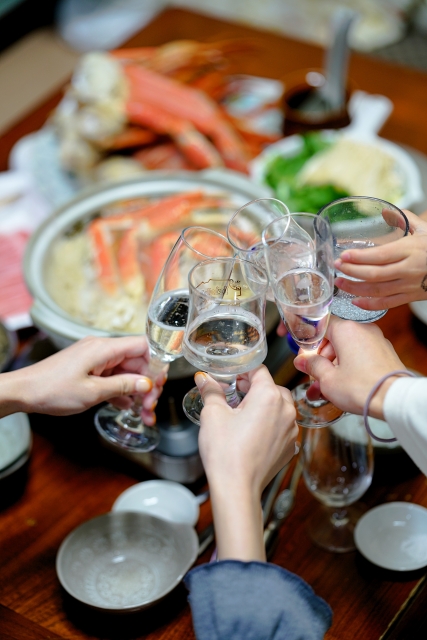
When winter arrives in Japan, one dish takes center stage on dining tables across the country: Nabe, or Japanese hot pot. As temperatures drop, families and friends gather around a steaming pot, sharing not only food but also warmth and conversation. Nabe is more than a meal—it is a seasonal tradition deeply rooted in Japanese lifestyle and culture.
Below are some of the most popular types of nabe commonly enjoyed during the winter months in Japan.
What Is Nabe?
Nabe refers to a variety of one-pot dishes cooked at the table. Ingredients such as vegetables, tofu, mushrooms, meat, and seafood are simmered together in a flavorful broth. Each region and household has its own variations, making nabe both simple and endlessly customizable.
Sukiyaki (すき焼き)
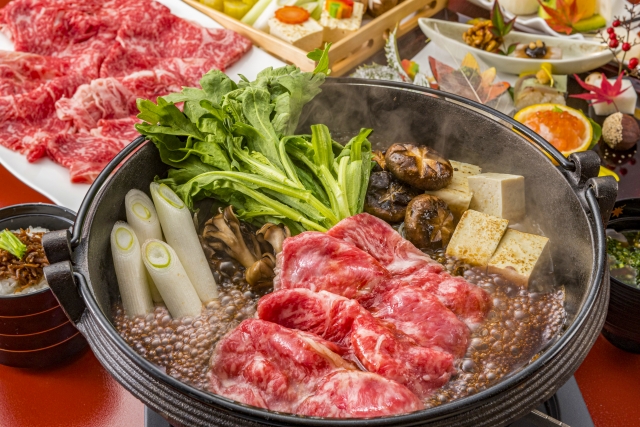
Sukiyaki is one of the most well-known Japanese hot pots, often enjoyed on special occasions or family gatherings. Thinly sliced beef is cooked in a sweet and savory sauce made from soy sauce, sugar, and mirin, along with vegetables, tofu, and noodles.
A unique feature of sukiyaki is dipping the cooked ingredients into raw beaten egg, which adds richness and mellows the flavors. It is especially popular during the year-end season.
Shabu-Shabu (しゃぶしゃぶ)
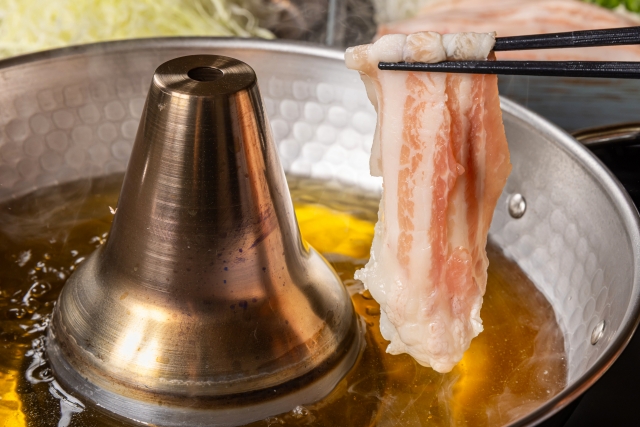
Shabu-shabu is a lighter hot pot style, named after the sound made when swishing thin slices of meat through hot broth. Beef or pork is briefly cooked and then dipped into sauces such as ponzu (citrus soy sauce) or sesame sauce.
This style highlights the natural taste of the ingredients and is often considered a healthier option.
Yosenabe (寄せ鍋)
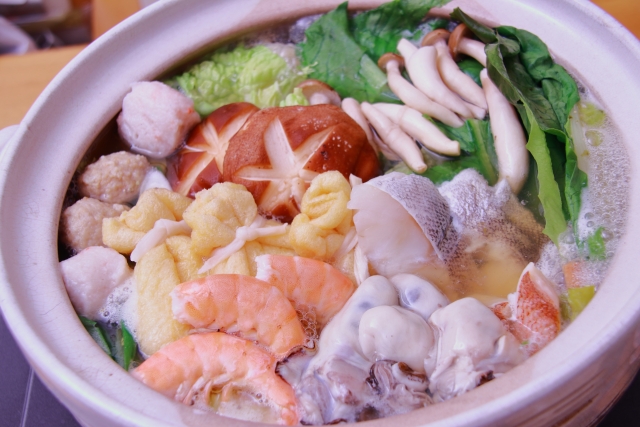
Yosenabe is a classic, everyday hot pot that combines a variety of ingredients—seafood, meat, tofu, and seasonal vegetables—in a simple broth, usually based on dashi.
There is no single fixed recipe, making it one of the most flexible and home-style nabe dishes. It’s perfect for using what you already have in your refrigerator.
Kimchi Nabe (キムチ鍋)
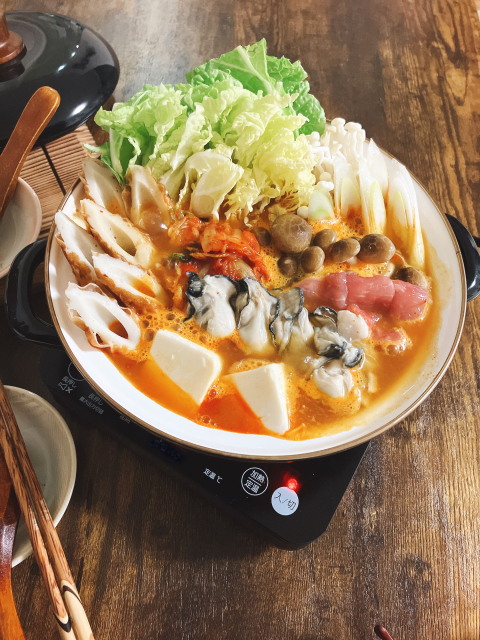
Influenced by Korean cuisine, kimchi nabe has become extremely popular in Japan. It features a spicy broth made with kimchi, gochujang, and garlic, often combined with pork, tofu, and napa cabbage.
Its warming spice makes it a favorite on particularly cold winter nights.
Chanko Nabe (ちゃんこ鍋)
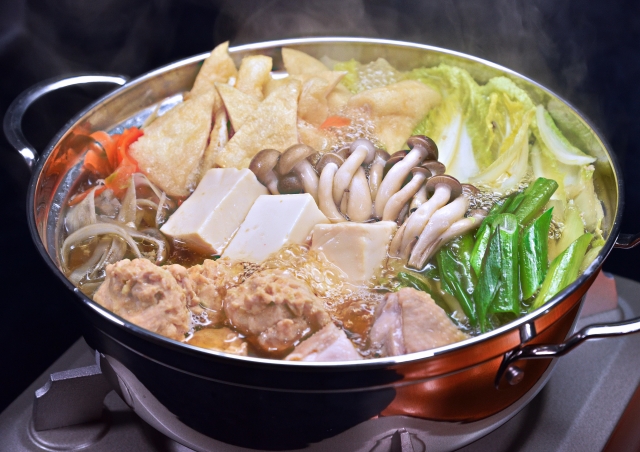
Originally eaten by sumo wrestlers, chanko nabe is a hearty and nutritious hot pot packed with protein and vegetables. It often includes chicken, meatballs, tofu, and plenty of vegetables in a rich broth.
Today, it is enjoyed by people of all ages and is known for being filling and energizing.
Motsunabe (もつ鍋)
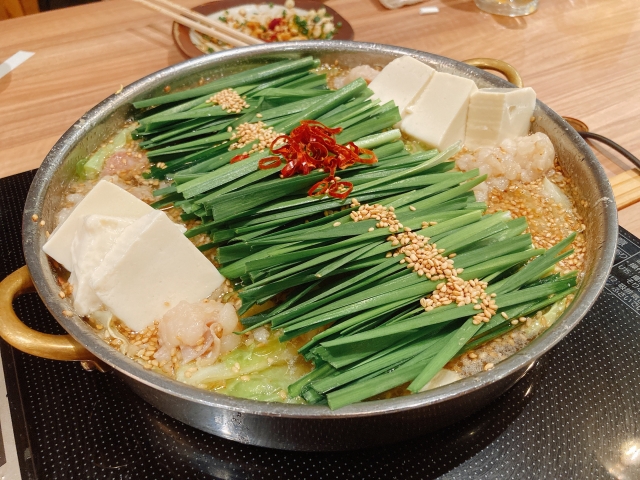
A specialty from Fukuoka, motsunabe is made with beef or pork offal, cabbage, garlic, and chives in a soy sauce or miso-based broth. While it may sound unusual to some, it is loved for its deep flavor and collagen-rich ingredients.
About “Nabe Bugyō” (鍋奉行)
In many Japanese households and friend groups, there is often a self-appointed—or naturally recognized—“nabe bugyō,” which literally translates to “hot pot magistrate.” This person takes charge of the nabe: deciding the order of ingredients, managing the heat, and making sure everything is cooked at just the right time.
The nabe bugyō role is usually given to someone experienced, attentive, and slightly particular about food. While it may sound strict, it is often a lighthearted and humorous role, symbolizing care for others and a desire to make the shared meal enjoyable for everyone.
Being a nabe bugyō reflects an important aspect of Japanese dining culture—consideration for others—and adds a fun social dynamic to winter hot pot gatherings.
The Joy of Sharing a Pot
One of the most important aspects of nabe is togetherness. Cooking and eating from the same pot encourages conversation and connection. At the end of the meal, many people add rice or noodles to the remaining broth to make a final dish called shime, ensuring nothing goes to waste—very much in line with the Japanese value of mottainai.