
As winter arrives and the air becomes crisp, Japanese culture has a beautiful word that captures the season’s rhythm: 冬ごもり (fuyugomori).
Literally meaning “winter hibernation,” it reflects a traditional way of living — slowing down, staying warm, conserving energy, and finding comfort indoors, much like animals preparing for the cold.
But fuyugomori is more than simply staying inside. It’s a seasonal mindset, a gentle reminder to rest, reflect, and embrace warmth during winter’s quiet months.
What Is “Fuyugomori”?
In Japan, fuyugomori traditionally referred to:
- Farmers pausing fieldwork during winter
- Families storing food for the cold season
- People staying close to home to endure long snowy months
Before modern heating, Japanese homes relied on simple methods like straw insulation, stacked firewood, and warm clothing made from natural fibers. Winter was a time of preparation, conservation, and family closeness.
Today, the word describes a quieter, cozy lifestyle we naturally drift into during winter.
The Cozy Spirit of Winter in Japan
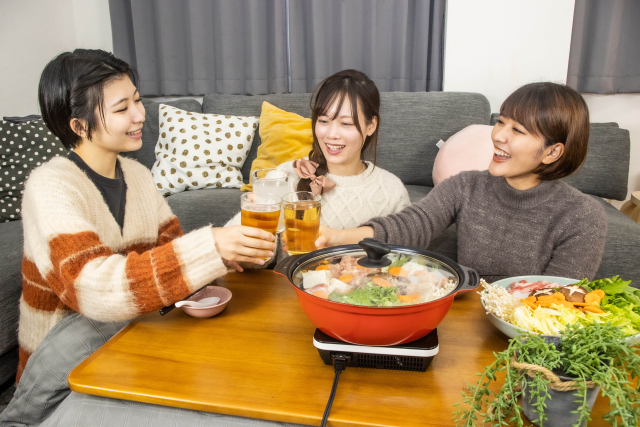
Japanese winter culture is filled with thoughtful ways to stay warm and comfortable, making fuyugomori a season to enjoy rather than endure.
● Kotatsu Culture
A low table with a blanket and built-in heater.
Families gather around it to eat citrus fruits, drink tea, or simply relax. The kotatsu is the heart of winter comfort.
● Warm Seasonal Foods
Winter calls for nourishing dishes such as:
- Nabe hotpot
- Oden
- Sweet roasted chestnuts
- Yuzu-flavored soups and drinks
These comforting meals help warm both body and soul.
● Tea Time Rituals
Hojicha, genmaicha, and roasted teas are especially loved during winter. The gentle aroma transforms a quiet evening into a moment of calm.
Fuyugomori and Traditional Craft
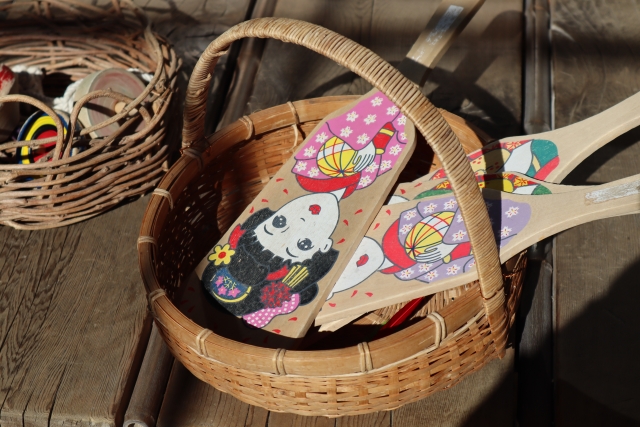
Winter was historically the season when craftspeople focused on indoor work:
- Mending clothing
- Weaving fabric
- Repairing tools
- Preparing materials for spring
In kimono culture, winter became a time to appreciate heavier fabrics, deeper colors, and layered styling.
It was also a season to reflect, create, and make things by hand, much like many artisans still do today.
For modern makers here in Canada
After the busy Christmas season, many Canadian crafters shift into a quieter rhythm — planning, designing, and preparing new items for the upcoming spring markets.
This calm period of production feels very similar to fuyugomori, where winter becomes a time for creativity, preparation, and slow, thoughtful making. It’s a chance to recharge and craft with intention before the vibrant market season begins.
Winter as a Season of Quiet Joy
Fuyugomori reminds us that winter is not only cold and dark — it’s also a season of coziness, connection, and creativity.
Wrapped in warm textiles, sipping tea, and spending time with loved ones, we rediscover a slower and more intentional way of living.
As winter settles in, may your own fuyugomori be filled with gentle warmth and small joys — a moment to recharge before spring returns.