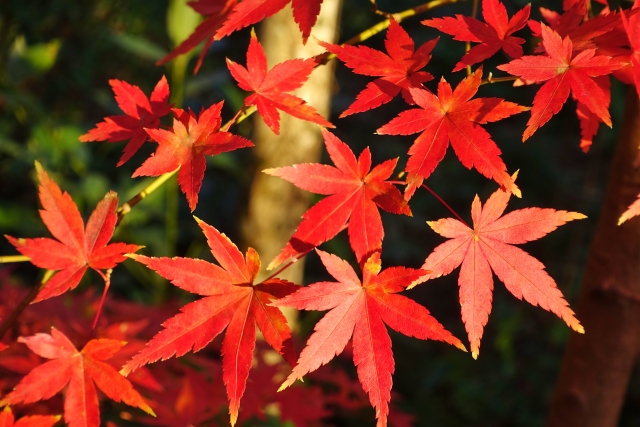
A Journey Into Autumn’s Most Beloved Tradition**
Every autumn, Japan transforms into a breathtaking canvas of fiery reds, golden yellows, and glowing oranges. This seasonal phenomenon is known as momiji (紅葉) — autumn leaves — and the cherished tradition of going out to admire them is called momijigari (紅葉狩り), or red leaf hunting.
Just like cherry blossom viewing in spring, momijigari is one of Japan’s most celebrated cultural experiences. It is a moment to appreciate nature, slow down, and reconnect with the changing seasons — a value deeply rooted in Japanese culture.
What Is Momijigari(紅葉狩り)?
“Momijigari” literally means “hunting for autumn leaves.”
Despite the word “hunt,” it’s not about taking anything home — it’s about seeking beautiful scenery and enjoying the fleeting beauty of nature.
This tradition dates back to the Heian period (794–1185) when aristocrats would visit mountain regions to admire maple leaves as part of poetry gatherings, music, and seasonal celebrations. Over centuries, it became a beloved activity for people of all ages.
Today, families, couples, and photographers travel across Japan to catch the best “red leaf spots” at the peak of their beauty.
Why Japanese People Love Autumn Leaves
Japan has a strong cultural appreciation for seasonal awareness (季節感).
Just as spring is for cherry blossoms, autumn is for momiji.
People cherish:
🌿 Mono no aware (物の哀れ) — the bittersweet beauty of impermanence
🍁 The vivid colors of maple, ginkgo, and beech trees
🤍 The calmness and nostalgia that autumn scenery brings
It’s more than sightseeing — it’s a moment of emotional reflection, deeply connected to Japanese aesthetics.
When Does Momijigari Happen?
Depending on the region, the season runs from:
- Late September in Hokkaido
- October to late November in central Japan
- December in warmer southern regions
Because the timing shifts every year, many people check “koyo forecasts” to plan the perfect trip.
Top Momijigari Spots in Japan
Here are some of the most iconic places to enjoy red leaves:
🍂 Kyoto — The Timeless Autumn Capital
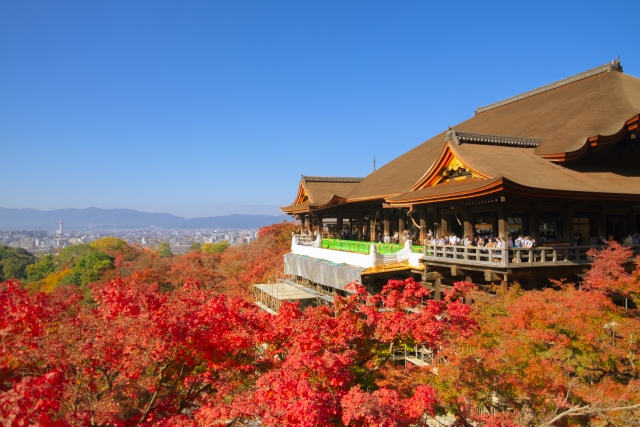
Kyoto is famous for its temples, gardens, and mountain scenery glowing in autumn colors.
- Kiyomizu-dera
- Tofuku-ji
- Arashiyama
- Eikan-do (especially beautiful at night)
Temples often hold night light-ups (ライトアップ) during peak season — a magical experience with reflections of red leaves in ponds and lantern-lit pathways.
🍁 Nikko — Dramatic Nature & History
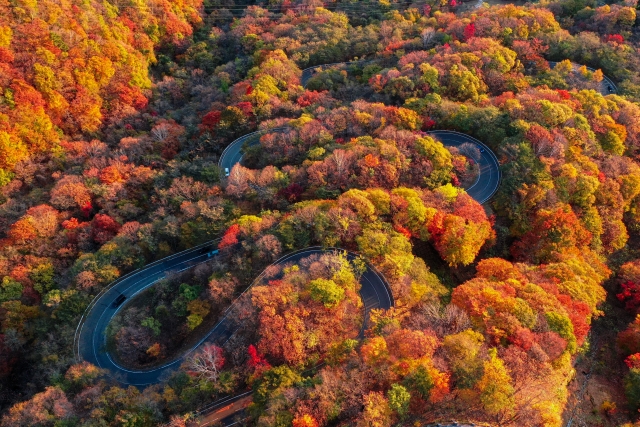
Nikko in Tochigi Prefecture is known for its deep mountains and clear lakes.
- Lake Chuzenji
- Irohazaka Winding Road
- Nikko Toshogu Shrine
The contrast between the colorful leaves and historic architecture is stunning.
🌾 Hakone — Relaxing in Hot Springs
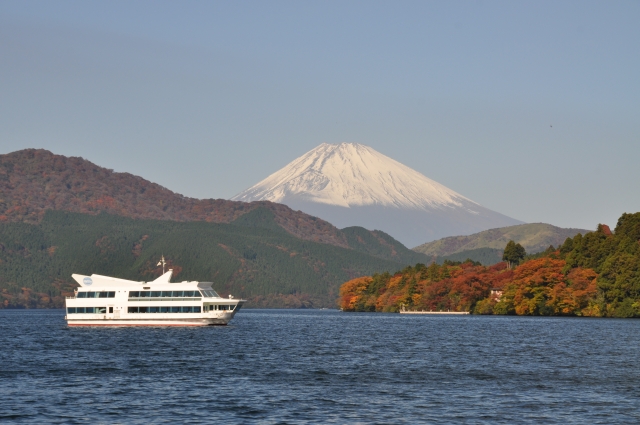
Combine autumn scenery with an onsen bath!
- Hakone Open-Air Museum
- Lake Ashi
- Hakone Gora Park
Few things compare to soaking in a hot spring while gazing at red maple leaves.
🏞️ Hokkaido — The First Colors of Japan
Hokkaido sees the earliest autumn colors.
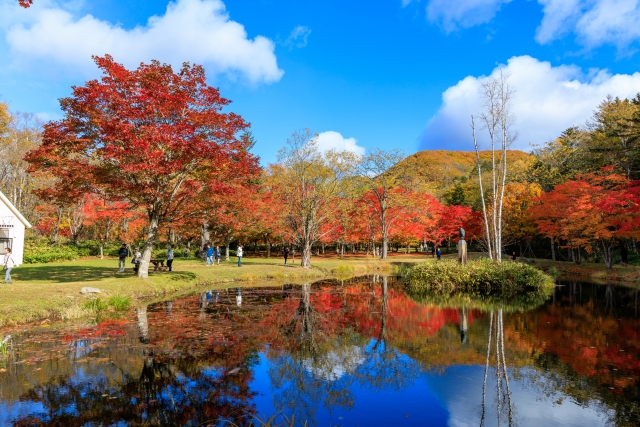
- Daisetsuzan National Park
- Jozankei Onsen
- Lake Toya
Nature here is wilder and less crowded, perfect for outdoor lovers.
Each place has different shades of color, even if they’re all called red, for example.
What to Wear for Momijigari
Autumn in Japan can be chilly, especially in the mountains.
Popular outfits include:
- Knit sweaters & scarves
- Light jackets
- Autumn-colored kimono (deep red, mustard, brown)
Many people take beautiful photos in traditional kimono, making momijigari a perfect opportunity to enjoy Japanese fashion.
Why Momijigari Is More Than Sightseeing
Momijigari reminds us that:
- beauty is fleeting
- nature is always changing
- slowing down matters
It’s a moment to appreciate the simple, quiet joy of being present — a theme deeply rooted in Japanese culture.