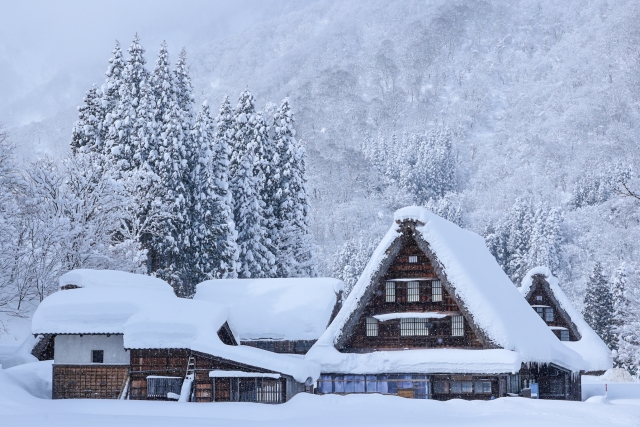
Winter in Japan brings heavy snowfall, especially in northern regions and mountainous areas. While snow can be challenging, Japanese culture has long embraced ways to live with snow rather than fight against it. From playful outdoor activities to symbolic snow creations, winter becomes a season of creativity, community, and quiet joy.
Rather than seeing snow only as an inconvenience, many regions turn it into an opportunity to connect with nature and with one another.
Snow as Part of Everyday Life
In areas like Hokkaido, Tohoku, and the Japanese Alps, snow is a natural part of daily life. Homes are designed with steep roofs to prevent snow buildup, roads are regularly cleared, and people wear practical winter clothing.
The Tohoku region experiences especially heavy snowfall on the Sea of Japan side, making it one of Japan’s designated heavy-snowfall areas. The total snowfall in a single winter often reaches approximately 500 to over 600 centimeters.
Aomori City, in particular, is known as one of the snowiest cities in the world. Despite being a major urban area, its total winter snowfall typically reaches around 500 to over 600 centimeters, placing it among the world’s most extreme heavy-snow regions. Ref: this NHK news
At the same time, snow is welcomed as a seasonal gift — one that transforms landscapes and invites play.
Kamakura (かまくら): Snow Domes for Gathering
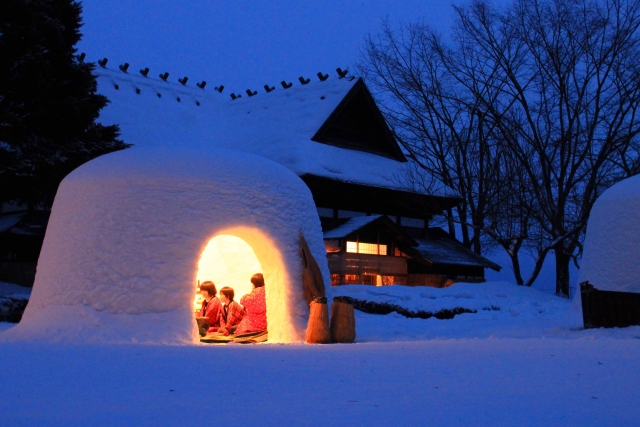
One of the most iconic snow traditions in Japan is the kamakura, a dome-shaped shelter made entirely of snow.
Originally, kamakura were built as small spaces to:
- Pray to water deities
- Honor local spirits
- Gather around candles for warmth
Today, they are often enjoyed during winter festivals. Inside, people sit together, light a candle, and sometimes enjoy warm drinks. Kamakura represent warmth and togetherness in the middle of cold winter.
Yuki Usagi (雪うさぎ): Snow Bunnies
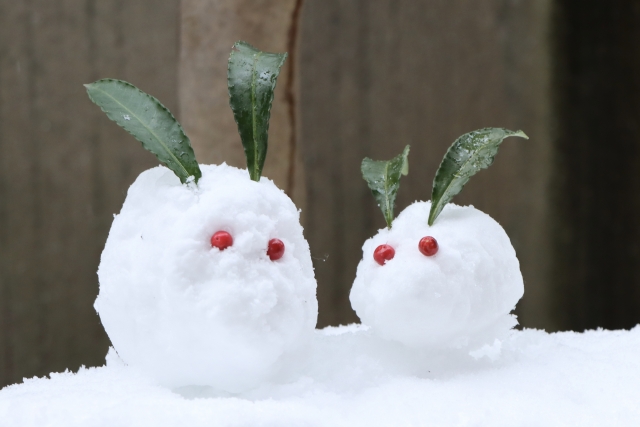
Yuki usagi, or snow bunnies, are small snow sculptures shaped like rabbits. They are often decorated with:
- Leaves for ears
- Red berries or seeds for eyes
This simple activity is especially popular with children, but it also reflects a deep appreciation for nature and impermanence. Like snow itself, yuki usagi are temporary — a gentle reminder to enjoy the moment.
Yukigassen (雪合戦): Organized Snowball Fights
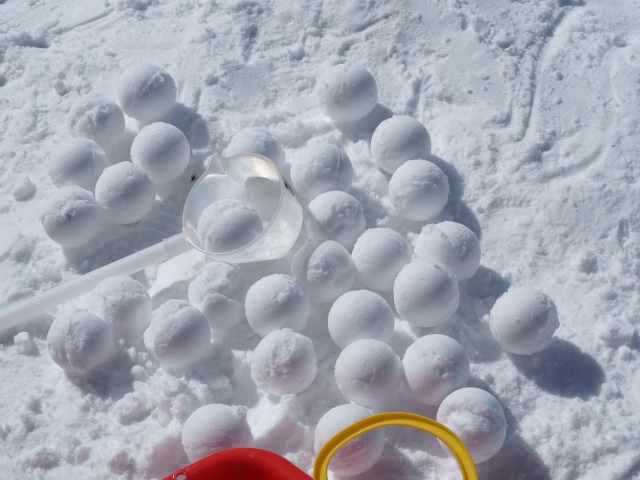
Snowball fights in Japan can be surprisingly serious.
Yukigassen is a structured, team-based snowball competition that began in Hokkaido and has since gained international popularity. With rules, uniforms, and protective gear, it transforms a childhood game into a strategic winter sport.
Yukigassen shows how even simple winter play can evolve into a shared cultural event.
Yukidaruma (雪だるま): Japanese Snowmen
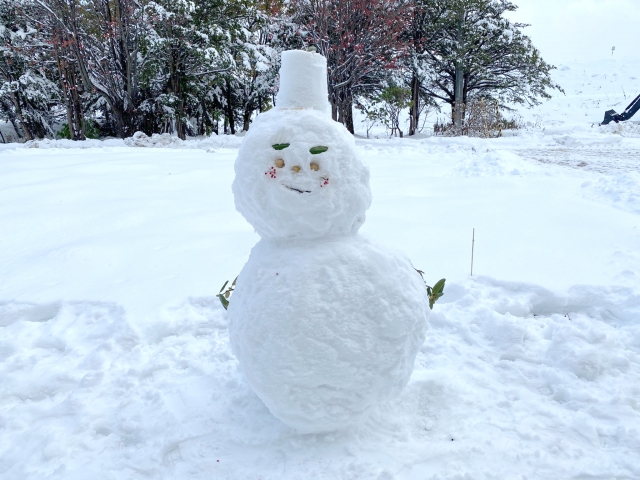
Unlike the three-ball snowmen common in Western countries, yukidaruma traditionally have:
- Two stacked snowballs
- A rounded, simple shape inspired by Daruma dolls
They are symbols of good luck and perseverance. Families often build yukidaruma together in gardens, parks, or schoolyards, turning snowy days into creative family time.
Finding Joy in Winter
Japanese snow culture reflects a broader seasonal mindset:
- Accept nature as it is
- Find beauty in hardship
- Create warmth through community
Snow days are not only about endurance — they are about play, imagination, and shared experience.
Winter as a Time to Slow Down
Much like the concept of fuyugomori (winter hibernation), snowy days encourage people to:
- Stay indoors with warm tea
- Enjoy handmade crafts
- Appreciate quiet moments
Snow teaches patience and presence — values deeply rooted in Japanese seasonal living.