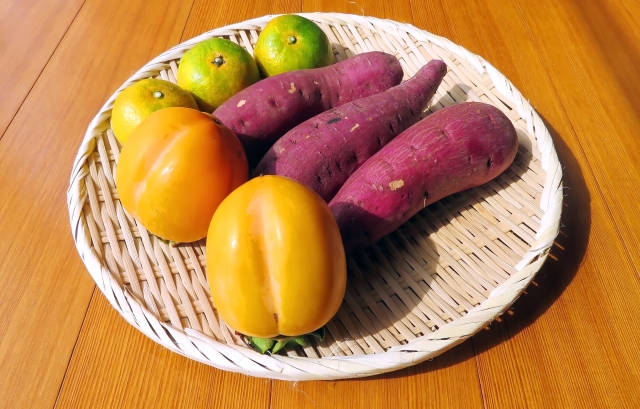
Autumn in Japan is more than colorful leaves and crisp air — it’s also the season of “Aki no Mikaku” (秋の味覚), meaning the flavors of autumn. As the weather cools and the harvest begins, Japanese markets fill with seasonal ingredients that are sweet, rich, and comforting. These foods symbolize abundance, gratitude, and the joy of eating with the seasons.
Let’s take a delicious journey through some of Japan’s most beloved autumn flavors.
🍠 Sweet Potatoes (さつまいも)
When autumn arrives, Japan is filled with the nostalgic smell of roasted sweet potatoes.
“Yakiimo” trucks play their traditional jingles as they drive through neighborhoods, delivering warm sweet potatoes that are perfectly soft inside.
Sweet potatoes are used in:
- Roasted “yakiimo”
- Tempura
- Sweet potato rice (さつまいもご飯)
- Desserts like sweet potato cakes and pies
Their natural sweetness and warm texture make them one of the most iconic autumn treats.
🌰 Chestnuts (栗 / くり)
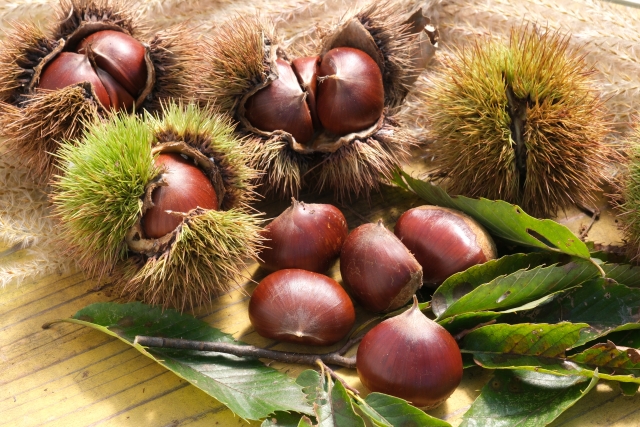
Chestnuts are another star of Japanese autumn. They are often cooked into:
- Kurigohan (栗ご飯) — chestnut rice
- Kuri manju — chestnut-filled pastries
- Mont Blanc desserts
In Japan’s history, chestnuts were considered lucky and used in celebratory dishes. Their gentle flavor pairs beautifully with both traditional and Western-style sweets.
🍄 Mushrooms (きのこ)
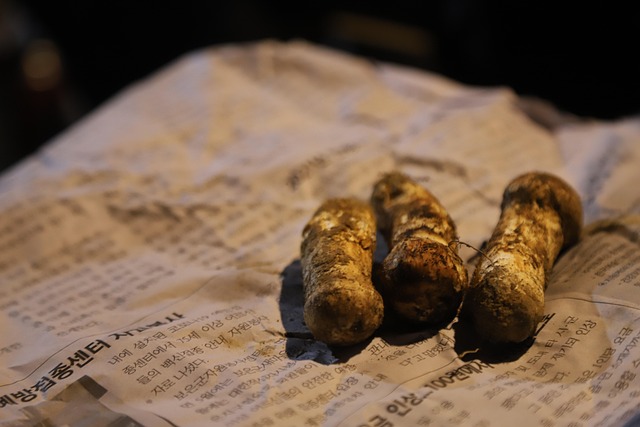
Autumn is peak season for mushrooms. Japan enjoys a wide variety, including shiitake, maitake, enoki, and matsutake, each with its own unique aroma.
Common dishes include:
- Mushroom rice
- Hot pots (鍋 / nabe)
- Grilled mushrooms with soy sauce
- Tempura
Mushrooms add deep umami flavor — perfect for warming meals as the weather cools.
🥮 Persimmons (柿 / かき)
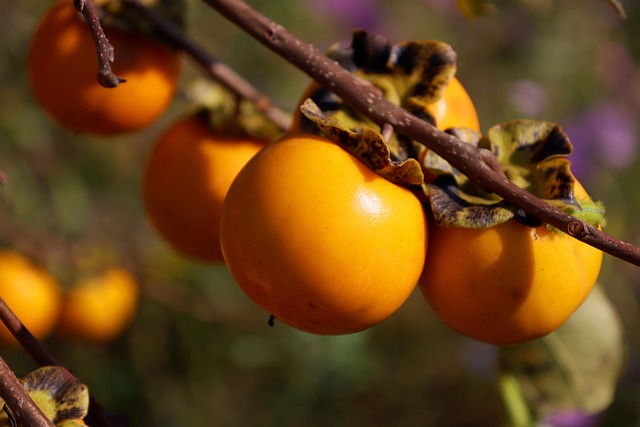
Persimmons are the fruit that best represents autumn in Japan. You’ll find them hanging from tree branches or drying in traditional “hoshigaki” (dried persimmons).
They are enjoyed:
- Fresh and crisp
- Soft and sweet as they ripen
- Dried, offering a deep, honey-like flavor
Persimmons symbolize good fortune and are often displayed in homes during the season.
🐟 Autumn Fish: Sanma (さんま)
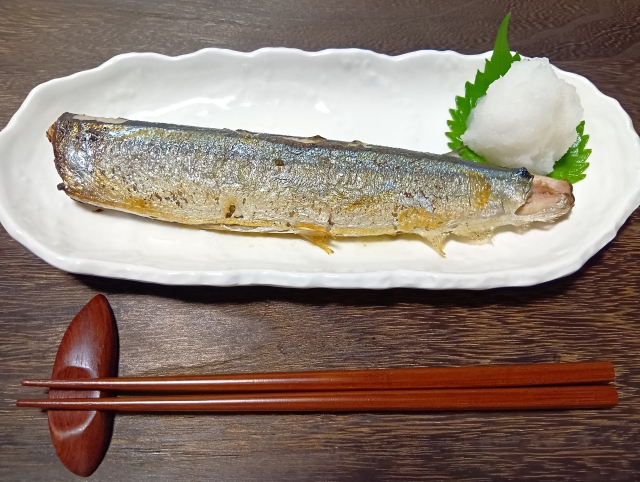
Autumn isn’t only about fruits and vegetables — it’s also the season of sanma, or Pacific saury.
Sanma is grilled whole with salt and served with grated daikon, soy sauce, and a bowl of rice. It’s one of the simplest but most beloved Japanese meals of the season.
Sanma is considered “the taste of autumn” for many households.
🍁 Why Autumn Food Is So Special in Japan
Japan has a long cultural tradition of appreciating the seasons.
Autumn is called “shokuyoku no aki” (the season of appetite) because cooler weather boosts appetite and the harvest brings an abundance of fresh ingredients.
Eating seasonal foods is seen as:
- A way to stay healthy
- A way to connect with nature
- A way to express gratitude for the harvest
Just like cherry blossoms in spring and red leaves in autumn, food is another way Japanese people celebrate the seasons.
Final Thoughts: Taste the Warmth of Japanese Autumn
“Aki no Mikaku” is more than food — it’s a seasonal tradition that brings comfort, gratitude, and nostalgia. Whether it’s roasted sweet potatoes on a chilly day or the aroma of mushroom rice filling the kitchen, autumn flavors hold a special place in Japanese hearts.
If you’re in Japan during autumn, visit local markets, try the seasonal dishes, and enjoy the richness of the harvest season.