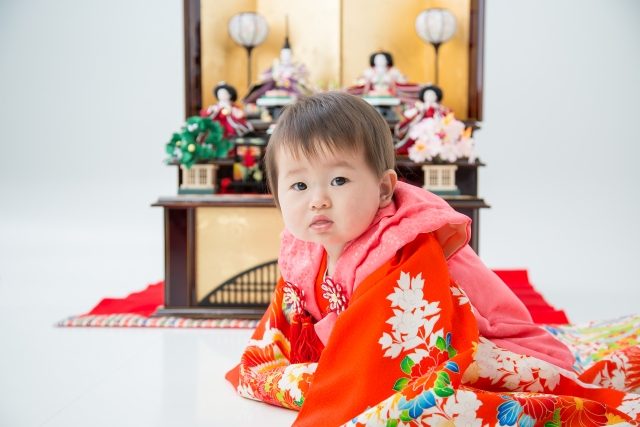
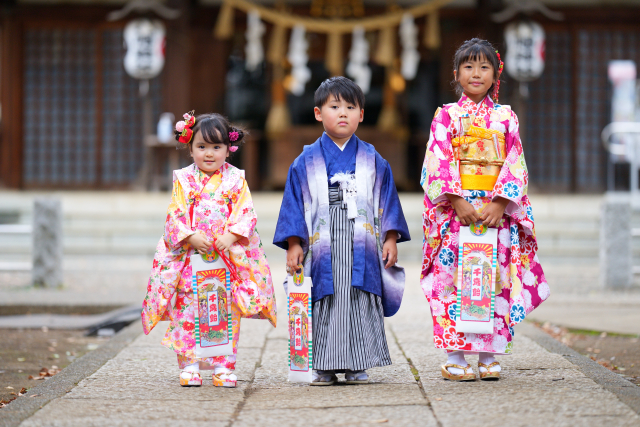
In Japan, children’s kimono are more than traditional garments. They represent milestones, family heritage, and the gentle passage of time. Worn for celebrations such as Shichi-Go-San, New Year’s visits, and other formal occasions, children’s kimono carry deep cultural meaning while also reflecting practical craftsmanship.
Unlike modern ready-to-wear clothing, traditional kimono were designed with longevity in mind — especially for growing children.
Designed for Growth
One of the most thoughtful features of children’s kimono is that they are constructed to be adjustable. Rather than replacing the garment as the child grows, families could alter the length to match the child’s height.
This was possible because kimono are made from straight panels of fabric sewn together in a structured way. Extra fabric is intentionally left inside the seams at the shoulders and waist. As the child grows:
- The shoulder tucks can be released to widen and lengthen the garment.
- The waist fold (known as ohashori) can be adjusted to change the overall length.
- Seams can be resewn without distorting the garment’s shape.
This modular construction allows the kimono to “grow” with the child over several years. It reflects a design philosophy rooted in foresight and respect for materials.
Practical Craftsmanship
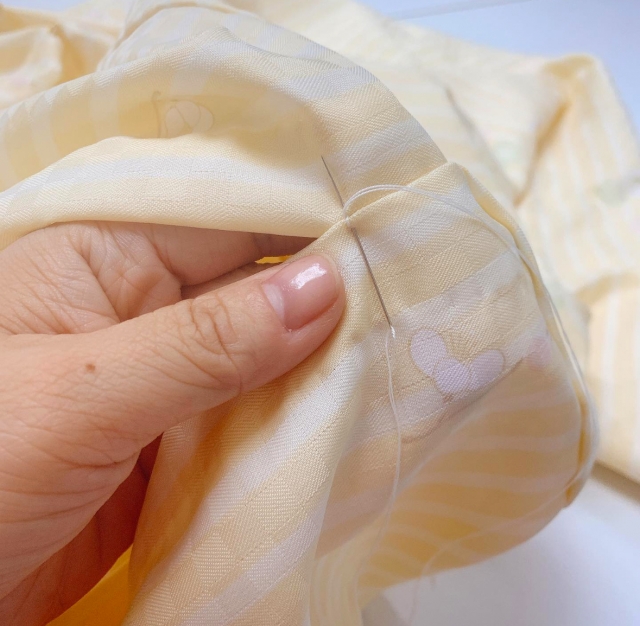
Children’s kimono often include visible stitches at the shoulders and hips that temporarily shorten the garment. These stitches are not flaws; they are intentional adjustments that can later be removed.
This method provided several advantages:
- Extended usability across multiple growth stages
- Economic efficiency in times when fabric was valuable
- The ability to pass garments to younger siblings
In many households, a single kimono could serve more than one child, carefully altered each time.
Symbolism and Celebration

Children’s kimono are typically vibrant and full of symbolic motifs:
- Cranes and turtles for longevity
- Pine, bamboo, and plum for resilience
- Bright seasonal flowers
These designs express wishes for health, strength, and happiness. During Shichi-Go-San (a traditional rite of passage at ages three, five, and seven), children wear kimono that mark their physical and emotional growth.
The adjustable construction mirrors this symbolism — just as the garment expands, so does the child’s life journey.
Continuing the Story
Even today, many families preserve children’s kimono as keepsakes. Some are passed to the next generation. Others are transformed into smaller accessories or memory pieces.
The idea that clothing can accompany a child through stages of growth — adjusting along the way — reflects a gentle and thoughtful design tradition. A children’s kimono is not simply worn. It evolves alongside the wearer, quietly marking each season of childhood.
Happy Girls day!!