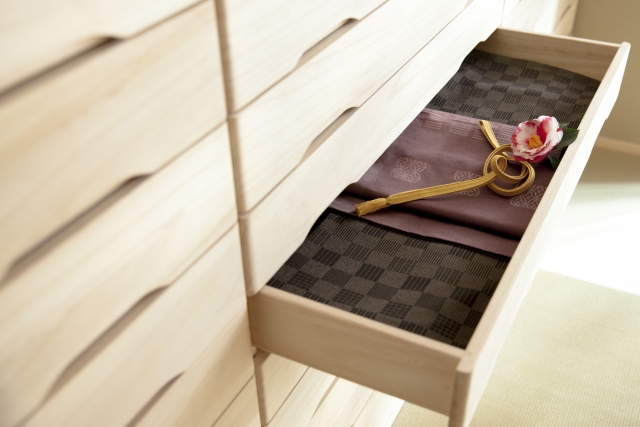
In Japanese culture, there is a quietly powerful expression: “箪笥の肥やし (Tansu no Koyashi)”.
Literally translated, it means “fertilizer for the dresser” — a poetic way to describe things that are kept away, unused, and slowly forgotten in drawers or closets.
It often refers to beautiful but unworn kimono, special clothing, or valuable items that remain stored away “just in case,” never seeing the light of day.
What Does “Tansu no Koyashi” Mean?
Traditionally, Japanese families carefully stored kimono in wooden dressers called tansu.
Over time, many of these garments were preserved so carefully that they were never worn again.
Thus, “tansu no koyashi” came to mean:
- Items that are too precious to use
- Clothing saved for special occasions that never come
- Objects that exist, but no longer live
They are not thrown away — yet they are not part of daily life either.
Some people, even Canadians want to keep beautiful kimonos which were given as a souvenir from loved ones.
Why Kimono Became “Tansu no Koyashi”
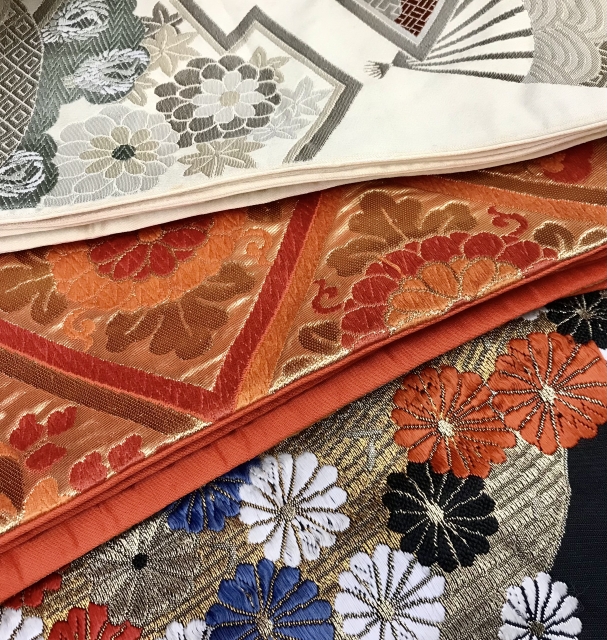
Kimono are deeply tied to life stages and formal occasions:
- Weddings
- Coming-of-age ceremonies
- Seasonal festivals
As modern lifestyles changed, opportunities to wear kimono became fewer.
Many people felt:
- Kimono are too formal
- Difficult to wear
- Expensive to maintain
As a result, countless kimono remained folded away, quietly aging in drawers.
The Emotional Side of “Tansu no Koyashi”

“Tansu no koyashi” carries a gentle sadness.
It reflects:
- Changing times
- Shifts in culture
- A gap between tradition and modern life
At the same time, it speaks to respect.
These items are not discarded because they hold memories, effort, and craftsmanship.
From “Tansu no Koyashi” to New Life
In recent years, many people have begun asking:
Is it really respectful to let beautiful things sleep forever?
This question connects deeply with the Japanese value of mottainai — the feeling that wasting beauty, materials, or effort is a loss.
By upcycling kimono into bags, accessories, and everyday items, these fabrics can return to daily life — no longer fertilizer for drawers, but living objects again.
A Modern Perspective
Today, “tansu no koyashi” is often used as a reminder:
- Use what you love
- Wear meaningful items
- Let beauty be part of everyday life
Rather than preserving culture by locking it away, we can honor tradition by adapting it.
At Tokita Kobo, we believe kimono fabric deserves to be touched, used, and appreciated — not hidden away. Each upcycled piece carries the story of its past while finding a place in modern life.
Final Thoughts
“Tansu no Koyashi” is more than a phrase.
It asks us to reflect on how we treat beauty, tradition, and memory.
Instead of letting cultural treasures sleep in silence, we can allow them to live again — in new forms, new hands, and new stories.