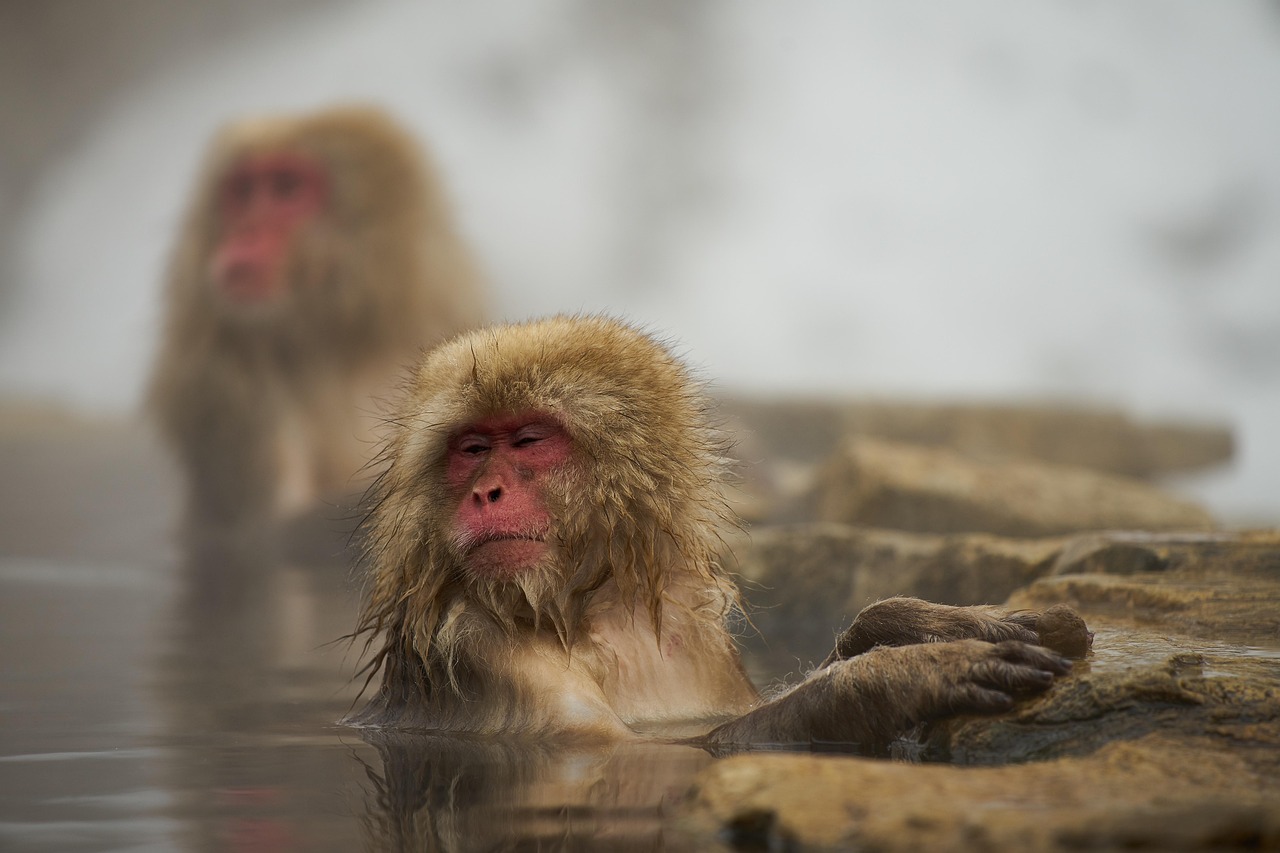
For many people around the world, taking a bath is a quick routine for hygiene. But in Japan, bathing is so much more—it’s a time for relaxation, healing, and even cultural connection. From the comfort of the home bathtub to the scenic beauty of natural onsen (hot springs), the Japanese way of bathing reflects a deep appreciation for both body and mind.
Bathing at Home: More Than Just Cleanliness
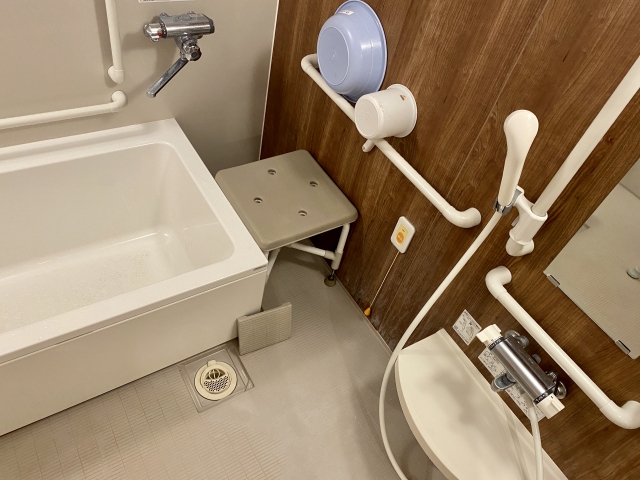
In Japan, most households have a deep soaking tub called an ofuro. Unlike Western-style bathtubs, an ofuro is designed for comfort and warmth. People wash and rinse their bodies outside the tub first, so the bathwater stays clean. Then, they sink into the hot water to relax and refresh after a long day. For many, it’s a daily ritual that provides not only physical relaxation but also mental peace.
The Culture of Onsen
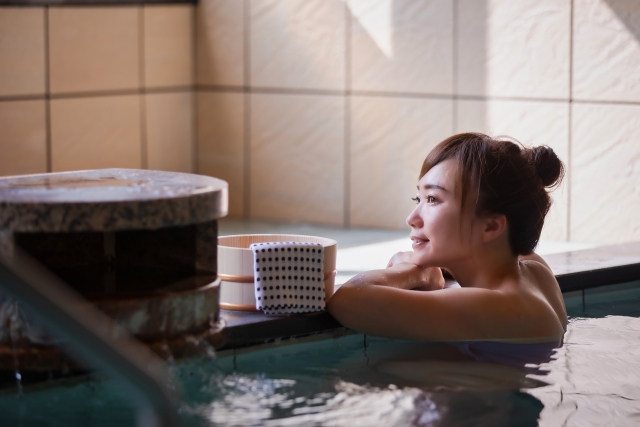
Japan’s volcanic geography blesses the country with countless natural hot springs, making onsen an essential part of Japanese culture. Onsen are places where people can bathe in mineral-rich waters believed to have healing properties for the skin, muscles, and overall health.
Visiting an onsen isn’t just about soaking in hot water—it’s a full cultural experience. Many onsen are located in scenic mountain or seaside areas, allowing bathers to enjoy breathtaking views while soaking. Traditional ryokan (Japanese inns) often feature onsen, complete with tatami rooms, kaiseki meals, and yukata robes, offering an unforgettable escape from daily life.
Etiquette at Onsen
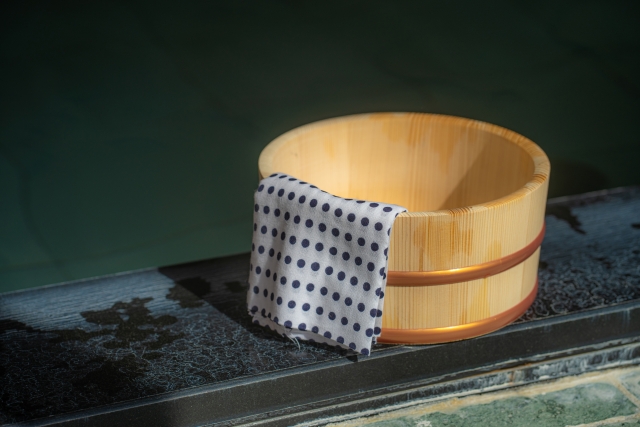
To fully enjoy an onsen, it’s important to follow Japanese etiquette:
- Wash thoroughly before entering the bath.
- Do not wear swimsuits—bathing is done naked, though small towels are allowed for modesty.
- Keep towels out of the water to maintain cleanliness.
- Relax quietly and respect the peaceful atmosphere.
- Tie your hair up with an elastic band when you get into the bath tub
This shared understanding of manners ensures that everyone can enjoy the bath together.
Why Do Japanese Love Bathing So Much?
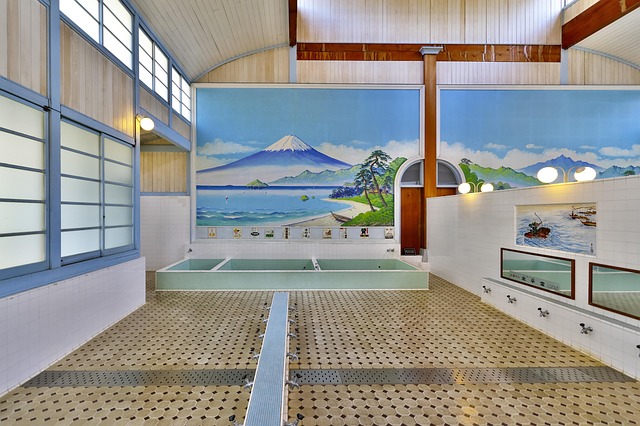
Bathing in Japan is about more than hygiene—it’s about harmony. Warm water soothes the body, but it also provides time to pause, reflect, and reset. Historically, public baths like sento (communal bathhouses) were also places for community bonding, where neighbors could connect and relax.
Modern Onsen Experiences
Today, onsen remain popular among Japanese people and tourists alike. From outdoor baths surrounded by snow in winter to modern spa resorts, the tradition continues to evolve while staying true to its cultural roots. Some onsen even offer mixed-gender bathing, private family baths, or foot baths for casual visitors.
Conclusion
Bathing in Japan—whether in a home ofuro or a natural onsen—is a beloved ritual that combines relaxation, health, and cultural heritage. For Japanese people, taking a bath is not simply washing the body; it’s refreshing the spirit.
So, next time you visit Japan, don’t miss the chance to experience an onsen. It’s one of the most authentic ways to understand the heart of Japanese daily life.